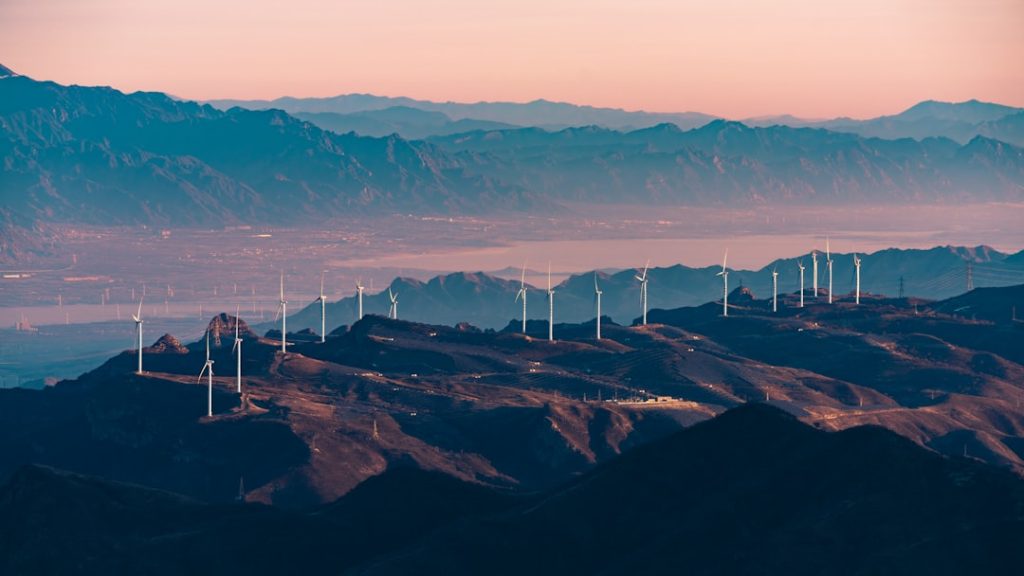
The global energy landscape is experiencing its most dramatic transformation since the Industrial Revolution, driven by an unprecedented convergence of economic forces, technological innovation, and climate imperatives. What began as an environmental necessity has evolved into an economic inevitability, with the clean energy transition now commanding over $1.8 trillion in annual investment worldwide and reshaping every aspect of how nations produce, distribute, and consume power.
This seismic shift extends far beyond simply replacing coal plants with solar panels. The clean energy transition represents a fundamental reimagining of energy infrastructure, creating entirely new industries while disrupting established ones. Countries that once dominated global energy markets through fossil fuel exports are now racing to establish themselves as leaders in renewable energy manufacturing, critical mineral extraction, and green hydrogen production. The geopolitical implications are profound, as energy security increasingly depends on domestic renewable resources rather than volatile international commodity markets.
Technology costs have plummeted at rates that exceeded even the most optimistic projections from a decade ago. Solar photovoltaic costs have fallen by over 85% since 2010, while battery storage prices have declined by more than 90% over the same period. These dramatic cost reductions have made clean energy not just environmentally preferable but economically superior in most markets. Wind and solar power now represent the cheapest source of electricity generation in regions representing over 70% of global GDP, fundamentally altering investment decisions across the energy sector.
The transformation is creating massive employment opportunities, with clean energy jobs growing at rates that far outpace traditional energy sector employment. Manufacturing of solar panels, wind turbines, electric vehicle batteries, and smart grid technologies has become a cornerstone of industrial policy in major economies. Nations are investing billions in domestic clean energy manufacturing capabilities, recognizing that control over these supply chains represents the new frontier of energy independence and economic competitiveness.
Financial markets have embraced this transition with unprecedented enthusiasm, pouring capital into renewable energy projects, grid modernization, and clean technology development. Major institutional investors, managing trillions in assets, have committed to divesting from fossil fuel investments while dramatically increasing their clean energy portfolios. This capital reallocation is accelerating the pace of change, as abundant, low-cost financing makes clean energy projects increasingly attractive compared to traditional alternatives.
Corporate America has emerged as a driving force behind the clean energy transition, with companies across industries setting ambitious carbon neutrality goals and signing long-term renewable energy purchase agreements. Tech giants, manufacturers, and retailers are not only decarbonizing their own operations but demanding cleaner energy throughout their supply chains, creating ripple effects that extend the transition’s reach into every corner of the global economy.
Grid infrastructure is being fundamentally redesigned to accommodate distributed generation, energy storage, and bidirectional power flows. Smart grid technologies are enabling unprecedented levels of efficiency and reliability while integrating intermittent renewable sources. The traditional model of centralized power generation is giving way to a more resilient, flexible system that can better withstand extreme weather events and cyber threats.
The clean energy transition has moved beyond the realm of environmental activism to become an unstoppable economic and technological force that is reshaping civilization’s relationship with energy. Nations, companies, and investors who recognize and adapt to this transformation will thrive in the emerging energy economy, while those clinging to outdated models risk being left behind. The question is no longer whether this transition will occur, but rather how quickly societies can adapt their policies, investments, and infrastructure to capitalize on the tremendous opportunities it presents.