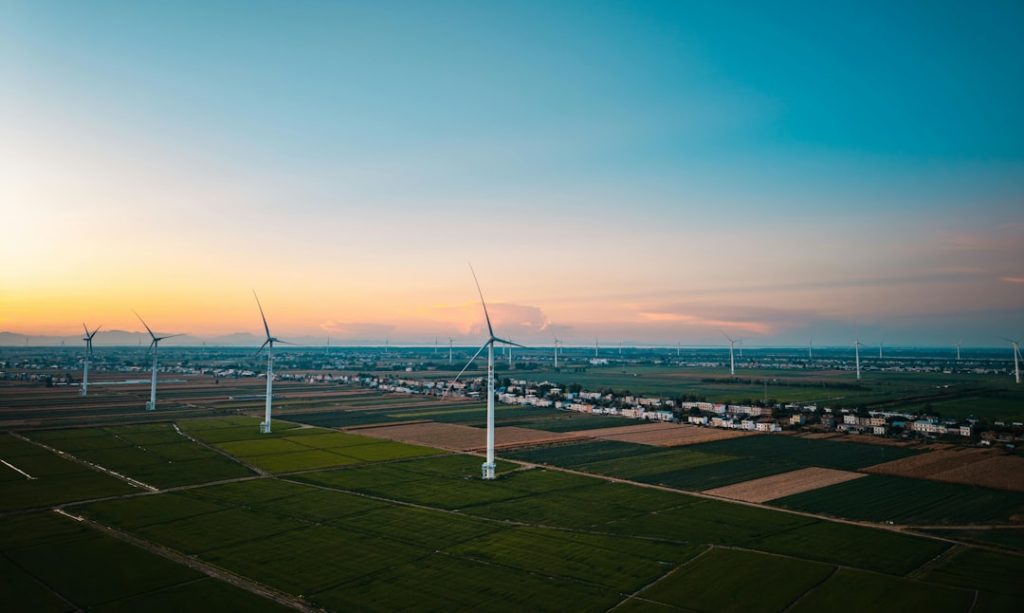
The global energy sector is experiencing a seismic transformation as energy storage investment reaches unprecedented levels, fundamentally altering how electricity is generated, stored, and distributed worldwide. What was once considered a niche technology supporting renewable energy installations has evolved into a critical infrastructure component attracting billions in capital from institutional investors, governments, and private equity firms.
The surge in energy storage investment reflects growing recognition that traditional power grids cannot accommodate the rapid expansion of intermittent renewable sources without sophisticated storage solutions. Battery storage systems, pumped hydro facilities, and emerging technologies like compressed air and gravity storage are receiving massive funding as grid operators seek reliable methods to balance supply and demand in real-time.
Financial markets have responded enthusiastically to this opportunity. Global energy storage investment has multiplied exponentially, driven by declining battery costs, supportive government policies, and increasing grid stability requirements. Major pension funds and sovereign wealth funds are allocating significant portions of their infrastructure portfolios to storage projects, viewing them as essential assets in the clean energy transition.
The geographic distribution of energy storage investment reveals strategic priorities across different regions. North American markets lead in utility-scale battery deployments, while European investors focus heavily on grid-scale solutions that support renewable integration targets. Meanwhile, Asia-Pacific regions are pioneering innovative storage technologies and manufacturing capabilities that supply global markets.
Technology Innovation Drives Investment Momentum
Advanced battery chemistries and alternative storage technologies are attracting substantial venture capital and corporate investment. Lithium-ion batteries continue dominating short-duration storage applications, but energy storage investment is increasingly flowing toward long-duration technologies capable of storing power for days or weeks. These innovations address the fundamental challenge of seasonal energy variability in renewable-heavy grids.
Manufacturing scale-up represents another major investment category. Companies are constructing massive battery production facilities to meet growing demand from both stationary storage and electric vehicle markets. This industrial expansion creates positive feedback loops, as increased production volumes drive down costs and make storage projects more economically attractive.
Smart grid integration technologies are also capturing significant investment interest. Software platforms that optimize storage operations, predict energy demand, and coordinate multiple storage assets across wide geographic areas are becoming increasingly valuable as storage penetration grows.
Market Dynamics and Financial Returns
Energy storage investment is generating attractive returns through multiple revenue streams. Storage facilities can earn income by providing grid services like frequency regulation, voltage support, and backup power during outages. They also participate in energy arbitrage, buying electricity during low-demand periods and selling during peak hours when prices are higher.
Regulatory frameworks are evolving to better compensate storage assets for the multiple services they provide to electrical grids. This policy development reduces investment risks and creates more predictable revenue streams, making energy storage projects attractive to conservative institutional investors seeking stable, long-term returns.
Corporate power purchase agreements are also driving storage investment as businesses seek reliable renewable energy supplies. Large technology companies, manufacturers, and retail chains are contracting directly for renewable energy paired with storage, creating substantial market demand for these combined solutions.
The transformation of global energy markets through storage investment represents more than technological advancement—it signals a fundamental restructuring of how societies produce, manage, and consume electricity. As storage costs continue declining and grid integration capabilities improve, this investment trend will likely accelerate, creating new opportunities for investors while advancing worldwide clean energy goals. The companies, countries, and investors positioning themselves at the forefront of energy storage development today are building the foundation for tomorrow’s sustainable energy infrastructure.