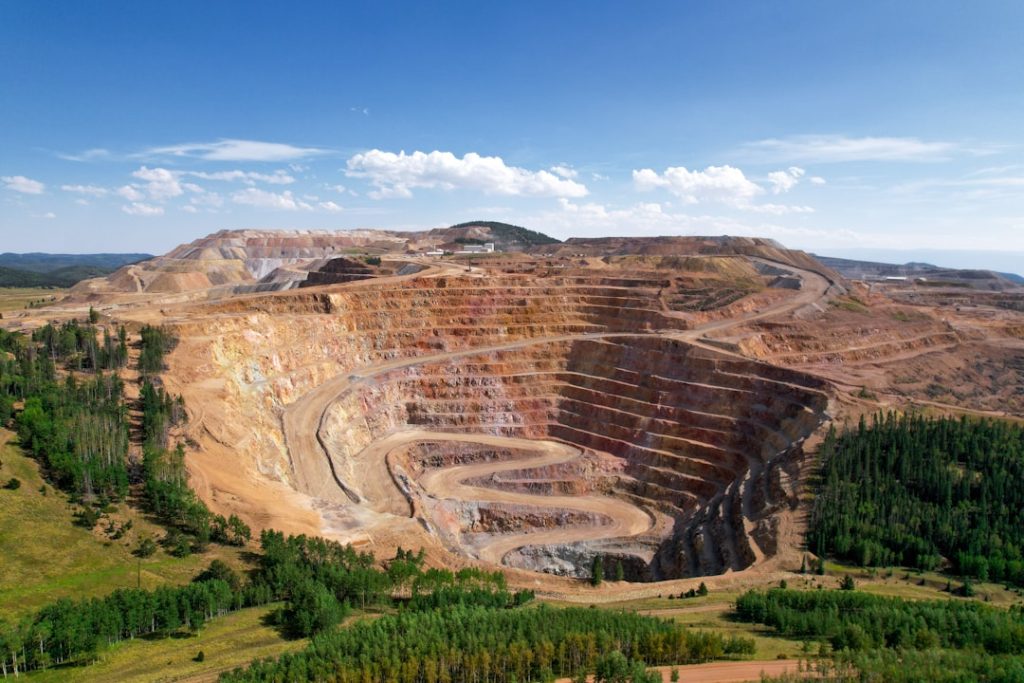
The global economy faces an unprecedented challenge that could reshape entire industries and create extraordinary wealth for prepared investors. The critical mineral shortage has reached a tipping point, with demand for essential materials like lithium, cobalt, rare earth elements, and copper far outstripping supply capabilities. This supply-demand imbalance has created a rare investment landscape where strategic positioning in critical minerals could deliver outsized returns over the next decade.
The scale of this critical mineral shortage becomes clear when examining the numbers. Global lithium demand has surged 340% since 2020, while new mine production has increased by only 28%. Cobalt supplies face similar constraints, with the Democratic Republic of Congo controlling 70% of global production amid growing political instability. Meanwhile, China dominates rare earth processing with an 85% market share, creating significant supply chain vulnerabilities for Western economies seeking energy independence.
These shortages aren’t temporary market fluctuations—they represent a fundamental restructuring of the global resource economy. The transition to renewable energy, electric vehicles, and advanced manufacturing requires massive quantities of critical minerals. A single electric vehicle battery contains approximately 17 pounds of lithium, 77 pounds of nickel, and 30 pounds of cobalt. Wind turbines demand substantial amounts of rare earth elements for their permanent magnets. Solar panels require high-grade silicon and silver. As governments worldwide accelerate clean energy mandates, the critical mineral shortage will only intensify.
Investment opportunities in this space span multiple sectors and risk profiles. Direct mining investments offer the highest potential returns but carry significant operational risks and long development timelines. Successful mining companies with proven reserves and near-term production capabilities have generated returns exceeding 400% during recent commodity cycles. However, investors must carefully evaluate factors including reserve quality, regulatory environment, management expertise, and geopolitical stability of mining jurisdictions.
More conservative investors can access critical mineral exposure through specialized ETFs and mutual funds that diversify across multiple mining companies and mineral types. These vehicles provide broader market exposure while reducing single-company risk. Some funds focus specifically on battery metals, while others target broader industrial minerals or rare earth elements. The key is understanding each fund’s underlying holdings and geographic exposure.
Strategic Positioning in Processing and Technology
The critical mineral shortage has created equally compelling opportunities beyond traditional mining. Processing and refining capabilities represent critical chokepoints in global supply chains. Companies that can process raw materials into battery-grade chemicals or high-purity metals command significant premiums. Western governments are actively supporting domestic processing capacity through subsidies and strategic partnerships, creating favorable conditions for well-positioned companies.
Technology companies developing mineral extraction innovations also present attractive investment prospects. Advanced mining techniques, including deep-sea mining, brine extraction, and recycling technologies, could unlock previously inaccessible resources. Companies successfully commercializing these technologies may capture substantial market share as traditional mining struggles to meet demand.
Recycling represents another critical opportunity within the mineral shortage landscape. As first-generation electric vehicles and renewable energy installations reach end-of-life, recovering critical minerals from used batteries and components becomes increasingly valuable. Companies with efficient recycling technologies and collection networks could benefit from both environmental mandates and economic incentives.
Geographic and Geopolitical Considerations
The critical mineral shortage has profound geopolitical implications that create additional investment angles. Countries with significant mineral reserves are leveraging their positions for strategic advantage. Australia, Chile, and Canada have emerged as preferred suppliers for Western markets seeking alternatives to Chinese-controlled supply chains. Companies operating in these stable jurisdictions often trade at premiums compared to those in higher-risk locations.
Government initiatives also drive investment opportunities. The United States’ Inflation Reduction Act provides substantial tax credits for domestic mineral processing and battery manufacturing. European Union critical raw materials legislation similarly supports regional supply chain development. These policy frameworks create tailwinds for companies aligned with strategic objectives while potentially disadvantaging others.
Infrastructure investments supporting critical mineral development offer another avenue for exposure. Transportation, processing facilities, and specialized equipment manufacturers all benefit from increased mining activity. These indirect plays often provide more stable returns with less volatility than direct mining investments.
The critical mineral shortage represents more than a temporary supply constraint—it signals a fundamental shift toward resource scarcity in strategic materials. Investors who understand this transformation and position accordingly could benefit from one of the most significant commodity cycles in modern history. Success requires careful analysis of individual opportunities, geographic considerations, and long-term demand drivers, but the potential rewards justify thorough investigation for any serious investment portfolio.
