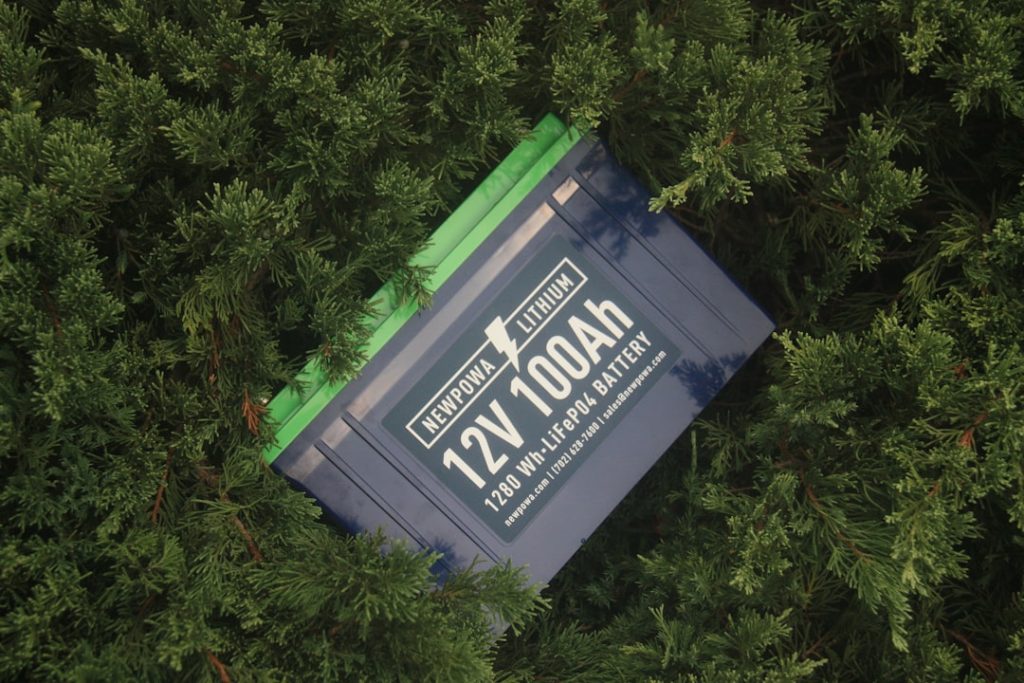
The global transition to electric vehicles and renewable energy storage has created an unprecedented demand for lithium, cobalt, nickel, and other critical minerals. As supply chains strain under mounting pressure and mining operations struggle to keep pace, a massive battery recycling opportunity is emerging that could reshape the entire energy storage industry.
Current market dynamics reveal a stark reality: lithium prices have surged 400% over the past two years, while cobalt remains concentrated in politically unstable regions, with 70% of global production originating from the Democratic Republic of Congo. Nickel supplies face similar constraints, with Indonesia’s export restrictions creating additional bottlenecks. These supply challenges are forcing manufacturers to reconsider their sourcing strategies and look toward recycled materials as a viable alternative.
The numbers tell a compelling story. By 2030, experts predict that over 11 million tons of lithium-ion batteries will reach end-of-life status globally. Each ton of recycled battery material can yield approximately 120 kilograms of lithium carbonate equivalent, 200 kilograms of nickel, and 20 kilograms of cobalt. At current market prices, this represents a potential value of $8,000 to $12,000 per ton of processed battery waste.
Traditional recycling methods have recovered only 5% of lithium from spent batteries, but breakthrough technologies are changing this landscape dramatically. Advanced hydrometallurgical processes now achieve lithium recovery rates exceeding 95%, while new direct recycling techniques preserve the crystalline structure of cathode materials, maintaining up to 98% of their original performance characteristics.
Market Forces Driving Investment in Battery Recovery
The battery recycling opportunity extends beyond simple resource recovery. Automotive manufacturers are facing mounting pressure from both regulatory requirements and corporate sustainability commitments. The European Union’s forthcoming battery regulation mandates that 65% of lithium and 95% of cobalt must be recovered from waste batteries by 2025, with recycled content requirements increasing to 12% for lithium and 20% for cobalt in new batteries by 2030.
Major automakers are responding aggressively to these market signals. Tesla has partnered with Redwood Materials to establish closed-loop recycling systems, while General Motors announced a $650 million investment in battery recycling infrastructure. Ford’s recent acquisition of a lithium recycling facility in Michigan demonstrates how traditional automotive companies are vertically integrating to secure critical material supplies.
The economic advantages of battery recycling become even more pronounced when considering transportation costs and environmental impact. Mining and refining virgin lithium requires 2.2 million liters of water per ton of lithium carbonate produced, while recycled lithium uses 99% less water and generates 75% fewer carbon emissions. These environmental benefits translate into substantial cost savings as carbon pricing mechanisms become more prevalent globally.
Technology Breakthroughs Accelerating Market Growth
Recent technological advances are transforming the economics of the battery recycling opportunity. Machine learning algorithms now enable precise sorting of battery chemistries, increasing processing efficiency by 40%. Artificial intelligence-driven disassembly robots can process battery packs 300% faster than manual methods while maintaining safety standards in handling potentially hazardous materials.
Pyrometallurgical recovery processes have evolved to capture previously lost materials, with new smelting techniques recovering 99% of cobalt and nickel while minimizing energy consumption. Meanwhile, biotechnology companies are developing bacterial leaching processes that use engineered microorganisms to extract metals from battery materials at ambient temperatures, reducing energy costs by up to 60%.
The emergence of “urban mining” facilities near major metropolitan areas is creating regional recycling ecosystems. These facilities process not only automotive batteries but also consumer electronics, power tools, and energy storage systems, creating economies of scale that improve profitability across all recycling operations.
Investment capital is flowing rapidly into this sector, with venture funding for battery recycling startups reaching $1.8 billion in the past 18 months. Strategic partnerships between recycling companies and battery manufacturers are creating integrated supply chains that reduce material costs while ensuring consistent feedstock supplies for recycling operations.
The convergence of supply constraints, technological breakthroughs, and regulatory pressure has created a perfect storm of opportunity in battery recycling. Companies that establish positions in this market today are positioning themselves to capture significant value as the circular economy for critical minerals becomes essential infrastructure for the global energy transition. The battery recycling opportunity represents not just an environmental imperative, but a fundamental shift toward sustainable resource management that will define the next decade of clean energy development.
