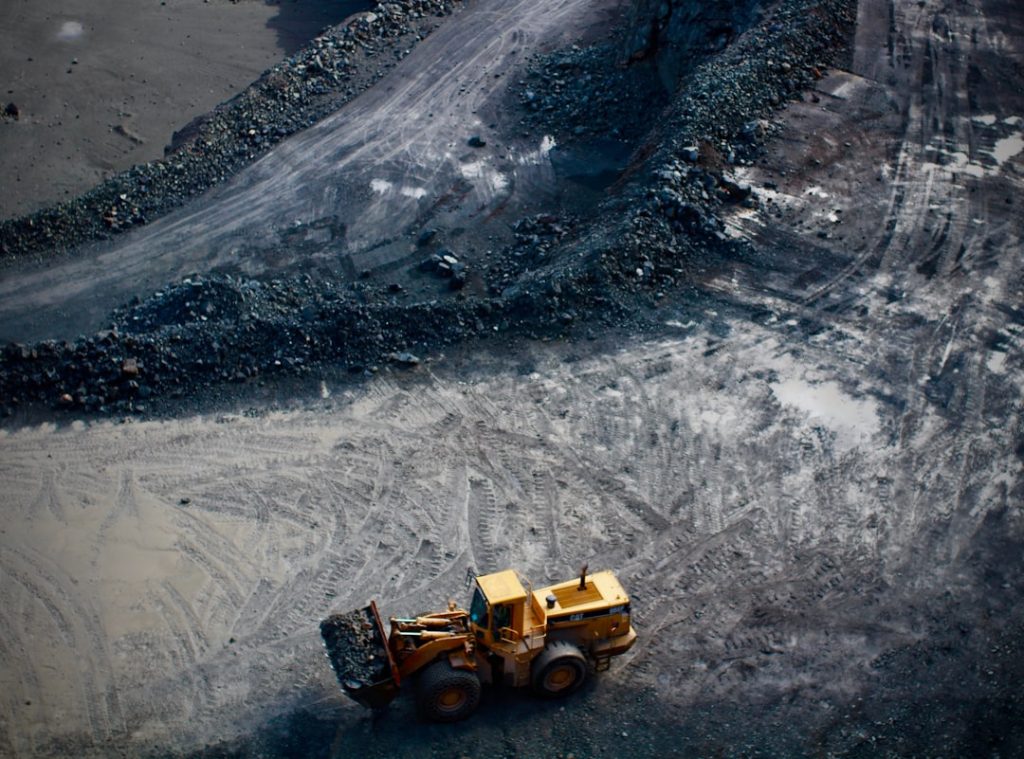
The global energy landscape stands at a crossroads where traditional fossil fuel dependencies clash with renewable energy ambitions. At the heart of this transformation lies a sobering reality: the critical mineral shortage threatening to derail the entire clean energy transition. For energy investors, this isn’t merely an operational challenge—it’s become the defining strategic priority that will determine portfolio success in the decades ahead.
Energy investors who fail to account for mineral supply constraints risk catastrophic miscalculations in their renewable energy ventures. The International Energy Agency’s latest assessments reveal that current mining capacity falls dramatically short of projected demand for lithium, cobalt, rare earth elements, and other essential materials. This critical mineral shortage creates a bottleneck that could slow renewable deployment, inflate costs, and reshape entire market dynamics.
Consider the lithium market as a prime example. While electric vehicle adoption accelerates and grid-scale battery storage expands rapidly, lithium production increases have lagged significantly behind demand projections. The resulting price volatility has already forced several renewable energy projects to delay or restructure their financing arrangements. Investors who anticipated steady material costs found themselves facing unexpected budget overruns and timeline extensions.
The cobalt supply chain presents even more complex challenges. With the majority of global production concentrated in the Democratic Republic of Congo, geopolitical instability adds another layer of risk to the critical mineral shortage equation. Energy investors must now evaluate not just project economics and technology viability, but also supply chain resilience and mineral security strategies.
Supply Chain Vulnerabilities Reshape Investment Strategies
The critical mineral shortage has fundamentally altered how sophisticated energy investors approach due diligence and risk assessment. Traditional financial models that focused primarily on energy output, grid connectivity, and regulatory frameworks now require comprehensive mineral supply analysis. Investors are discovering that even the most promising renewable energy technologies become stranded assets without secure access to essential materials.
Forward-thinking investment firms have begun integrating mineral supply forecasting into their energy sector analysis. This involves evaluating mining project timelines, processing capacity constraints, and geopolitical stability across mineral-rich regions. The most successful investors are those who recognize that the critical mineral shortage represents both a significant risk and a substantial opportunity for those positioned correctly.
Strategic partnerships between energy investors and mining companies have become increasingly common as both sectors recognize their interdependence. Rather than treating mineral procurement as a downstream concern, leading investment firms now consider mineral security as fundamental to their energy investment thesis. This shift has led to joint ventures, offtake agreements, and even direct mining investments by traditionally energy-focused funds.
Market Dynamics and Investment Opportunities
The critical mineral shortage has created distinct market inefficiencies that astute investors can exploit. Companies with secured mineral supply chains trade at significant premiums compared to those dependent on spot markets for critical materials. This valuation gap reflects the market’s growing recognition that mineral security translates directly to competitive advantage and operational stability.
Energy storage companies exemplify this dynamic most clearly. Firms with long-term lithium and cobalt contracts have maintained steady production schedules and predictable margins, while competitors face volatile input costs and supply disruptions. The investment implications extend beyond individual company performance to sector-wide allocation strategies.
The geographical distribution of critical minerals has also reshaped regional investment preferences. Investors increasingly favor energy projects in regions with domestic mineral resources or established trade relationships with key producing countries. This geographic arbitrage opportunity rewards investors who understand both energy markets and mineral supply chains.
Recycling and alternative material technologies represent another investment frontier created by the critical mineral shortage. Companies developing efficient battery recycling processes or alternative chemistries that reduce dependence on scarce materials have attracted significant investor interest. These technologies offer potential solutions to supply constraints while creating new revenue streams from waste materials.
The critical mineral shortage has evolved from a supply chain concern to the central strategic challenge facing energy investors today. Those who master the complexities of mineral markets, understand geopolitical risks, and identify innovative solutions to supply constraints will capture the greatest opportunities in the ongoing energy transition. The investors who treat mineral security as an afterthought risk finding their energy portfolios constrained by forces beyond traditional market dynamics. In this new paradigm, mineral intelligence has become as crucial as energy expertise for investment success.