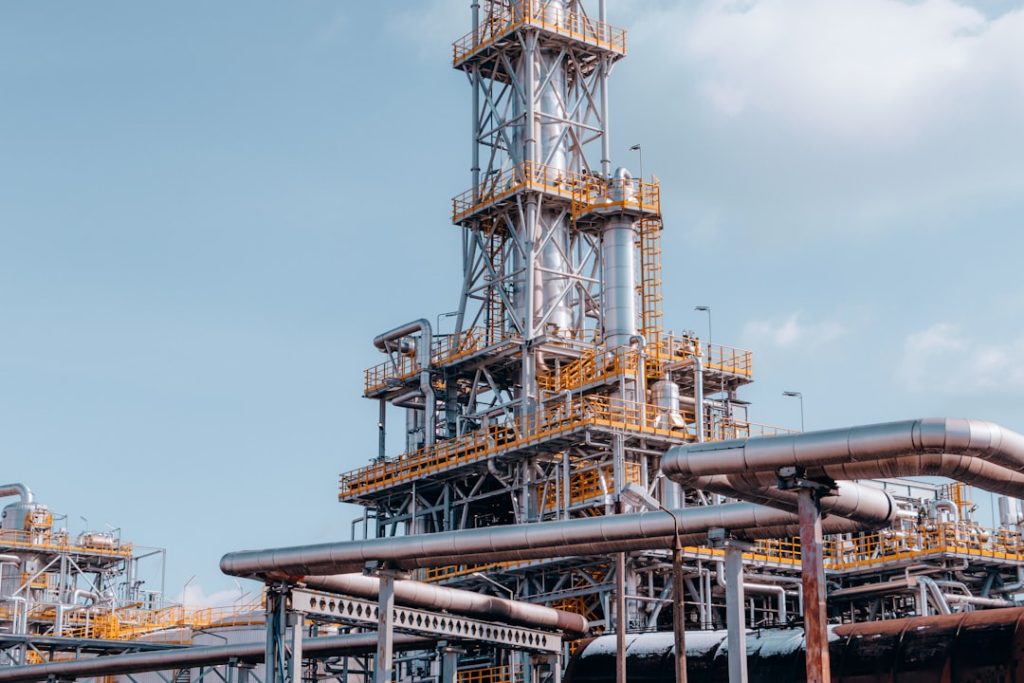
The global transition to clean energy technologies has created an unprecedented demand for critical minerals, triggering a massive wave of investment opportunities in processing infrastructure. From lithium and cobalt to rare earth elements, the surge in demand for these essential materials is far outpacing current refinery capacity, presenting compelling investment prospects for those positioned to capitalize on this infrastructure gap.
The current refinery capacity build momentum represents one of the most significant industrial transformation periods in recent decades. Electric vehicle production alone requires substantial quantities of processed lithium, nickel, and cobalt, while wind turbines and solar panels depend heavily on refined rare earth elements and copper. This growing demand has exposed critical bottlenecks in the global supply chain, particularly in the processing and refining stages where raw materials are transformed into battery-grade and industrial-grade products.
Geographic diversification of refining capabilities has emerged as a strategic priority for governments and corporations worldwide. Historically, critical mineral refinery capacity has been concentrated in a handful of countries, creating supply chain vulnerabilities that recent geopolitical tensions have highlighted. This concentration risk has accelerated investment in new refining facilities across North America, Europe, and Australia, where governments are offering substantial incentives to attract refinery capacity build projects.
The economics driving these investments are particularly compelling. Processing facilities for critical minerals typically command premium margins compared to traditional commodity refining operations. Lithium hydroxide production, for instance, can generate significantly higher returns than conventional chemical processing due to the specialized nature of battery-grade requirements and limited global capacity. Similarly, rare earth element separation facilities benefit from high barriers to entry and technical expertise requirements that protect profit margins.
Technological advancement is reshaping the refinery capacity build landscape, creating opportunities for next-generation processing facilities that offer improved efficiency and environmental performance. Direct lithium extraction technologies, for example, promise to dramatically reduce processing times and water consumption compared to traditional evaporation methods. Investors backing these innovative approaches are positioning themselves to capture market share in an industry where operational efficiency directly translates to competitive advantage.
Capital allocation strategies for critical mineral refining investments require careful consideration of multiple factors beyond traditional financial metrics. Regulatory environments, environmental permitting timelines, access to skilled workforce, and proximity to both raw material sources and end-users all influence project viability. Successful refinery capacity build initiatives often benefit from government support programs, including loan guarantees, tax incentives, and expedited permitting processes designed to encourage domestic processing capabilities.
The scale of required investment is substantial, with individual processing facilities often requiring hundreds of millions in capital expenditure. However, the long-term contracts and strategic partnerships that typically accompany these projects provide revenue visibility that traditional commodity investments often lack. Major automotive manufacturers and battery producers are increasingly willing to make upfront commitments or even equity investments in refining capacity to secure their supply chains.
Market timing considerations favor current refinery capacity build investments, as the lead times for developing new processing facilities typically range from three to seven years. Projects initiated today will come online precisely when demand is expected to reach peak growth rates. This timing advantage, combined with the technical barriers facing potential competitors, creates a favorable investment environment for well-positioned refinery development projects.
The intersection of government policy support, technological innovation, and market demand fundamentals has created a unique window for refinery capacity build investments in critical minerals. As the clean energy transition accelerates and supply chain security becomes increasingly paramount, the companies and investors who successfully develop this essential processing infrastructure will capture significant value while contributing to global energy transformation goals. The current environment represents not just an investment opportunity, but a chance to participate in reshaping the industrial foundation of the modern economy.
