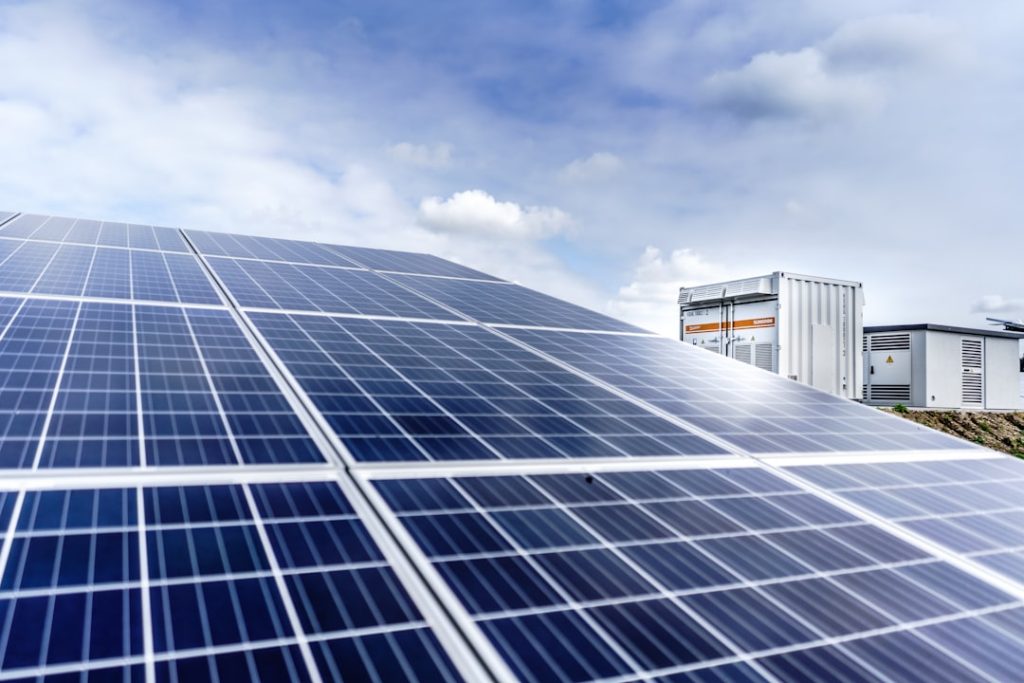
The global clean energy transition has reached a tipping point where financial returns are driving adoption faster than environmental concerns alone ever could. With institutional investors pouring unprecedented capital into renewable technologies, energy storage solutions, and grid modernization projects, the economic fundamentals have shifted dramatically in favor of clean energy infrastructure.
Recent market data reveals that clean energy investments generated average returns of 12.8% annually over the past three years, significantly outperforming traditional energy sector investments. This performance surge reflects the maturation of renewable technologies, declining production costs, and accelerating government policy support worldwide. Solar panel costs have dropped 89% since 2010, while wind energy costs have fallen 70%, creating compelling investment cases that no longer require subsidies to compete with fossil fuels.
The clean energy transition is being fueled by a convergence of technological breakthroughs and market forces that have fundamentally altered the investment landscape. Battery storage costs have plummeted 90% over the past decade, solving the intermittency challenge that previously limited renewable energy adoption. Grid-scale storage projects are now economically viable, enabling utilities to store excess renewable energy during peak production periods and release it when demand surges.
Corporate procurement is accelerating the clean energy transition through long-term power purchase agreements that provide stable revenue streams for project developers. Major corporations including Amazon, Microsoft, and Google have committed to purchasing over 50 gigawatts of clean energy capacity, creating predictable cash flows that attract institutional investors seeking stable returns. These corporate commitments have reduced project financing risks and enabled developers to secure capital at increasingly favorable terms.
Emerging markets represent the next frontier for clean energy transition investments, with developing nations leapfrogging traditional energy infrastructure in favor of distributed renewable systems. Countries across Africa, Asia, and Latin America are deploying solar microgrids and battery storage solutions that provide electricity access while generating attractive returns for international investors. The World Bank estimates that clean energy investments in emerging markets will require $1.6 trillion by 2030, presenting massive opportunities for early-stage investors.
Energy storage technologies beyond traditional lithium-ion batteries are creating new investment categories within the clean energy transition. Hydrogen production, compressed air energy storage, and advanced flywheel systems are attracting venture capital and private equity funding as investors seek exposure to next-generation energy solutions. Green hydrogen projects alone have attracted over $85 billion in announced investments, with production costs expected to achieve grid parity by 2028.
The regulatory environment continues to strengthen the investment case for clean energy transition projects through tax incentives, renewable portfolio standards, and carbon pricing mechanisms. Recent policy extensions have provided long-term visibility for investment returns, while new regulations requiring climate risk disclosures are directing institutional capital away from fossil fuel investments toward clean energy alternatives.
Supply chain localization is creating additional investment opportunities as countries seek energy independence through domestic clean energy manufacturing. Government incentives for solar panel, wind turbine, and battery production facilities are generating returns for investors while reducing reliance on international supply chains. These manufacturing investments benefit from both production revenues and strategic value in an increasingly energy-security-conscious world.
The clean energy transition represents more than an environmental imperative—it has become the defining investment opportunity of this decade. With technology costs continuing to decline, policy support strengthening globally, and corporate demand accelerating, the economic momentum behind clean energy has become self-sustaining. Investors who position themselves strategically within this transition stand to benefit from both strong financial returns and the satisfaction of contributing to a more sustainable energy future.