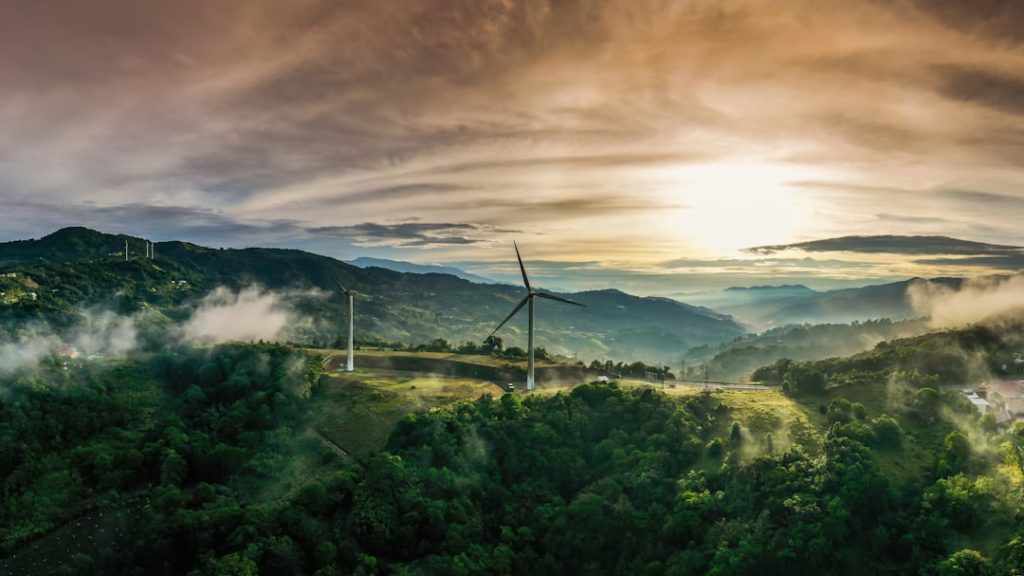
The global clean energy transition has reached an unprecedented inflection point, with investment flows and deployment rates surpassing even the most optimistic forecasts from just a few years ago. What began as a gradual shift toward renewable technologies has transformed into a full-scale economic transformation that’s reshaping how nations power their economies and industries plan for the future.
Global clean energy investments have shattered previous records, reaching $2.8 trillion annually as governments and private sector entities recognize both the economic opportunities and existential necessity of rapid decarbonization. This massive capital mobilization represents more than double the investment levels seen at the start of the decade, creating a self-reinforcing cycle where increased funding drives technological improvements, which in turn attract even more investment.
The acceleration of the clean energy transition stems from several converging factors that have fundamentally altered the energy landscape. Renewable energy costs have plummeted to levels that make clean alternatives cheaper than fossil fuels in most markets, even without subsidies. Solar photovoltaic costs have declined by over 85% since 2010, while wind energy costs have dropped by more than 70%, making these technologies the most economical choice for new power generation across two-thirds of the world.
Battery storage technology has emerged as perhaps the most critical catalyst in this transition. Advanced lithium-ion systems and emerging solid-state batteries have solved the intermittency challenge that once limited renewable energy adoption. Grid-scale storage installations are growing at compound annual rates exceeding 40%, enabling utilities to integrate higher percentages of renewable sources while maintaining grid stability and reliability.
Corporate procurement strategies have also fundamentally shifted the clean energy transition dynamics. Major corporations are committing to 100% renewable electricity targets not just for environmental reasons, but because clean energy offers price stability and long-term cost advantages. These corporate renewable energy contracts now represent hundreds of gigawatts of demand, providing developers with the long-term revenue certainty needed to finance large-scale projects.
Policy frameworks worldwide are providing additional momentum through a combination of incentives, mandates, and carbon pricing mechanisms. The implementation of border carbon adjustments and strengthened emissions trading systems has created market conditions where clean technologies enjoy systematic advantages over their carbon-intensive alternatives. These policies are driving industrial transformation as companies recognize that early adoption of clean technologies provides competitive advantages in an increasingly carbon-constrained economy.
Innovation cycles are accelerating across every aspect of the clean energy transition, from next-generation solar cells achieving record efficiencies to breakthrough hydrogen production technologies that promise to decarbonize heavy industry and long-distance transportation. Research and development investments have tripled since 2020, with both public research institutions and private companies pursuing advances that could further accelerate deployment timelines.
Supply chain development has reached sufficient scale to support exponential growth in clean energy deployment. Manufacturing capacity for solar panels, wind turbines, and batteries has expanded dramatically, while new production facilities continue coming online across multiple continents. This supply chain maturity has reduced lead times and improved quality while driving costs even lower through economies of scale.
The momentum behind the clean energy transition now appears unstoppable, driven by compelling economics rather than just environmental imperatives. As costs continue declining and performance improves, clean technologies are becoming the obvious choice for new energy infrastructure investments. This economic transformation is creating millions of jobs while positioning early-adopting nations and companies for sustained competitive advantages in the emerging clean energy economy. The question is no longer whether this transition will occur, but how quickly it will reshape the global energy system.