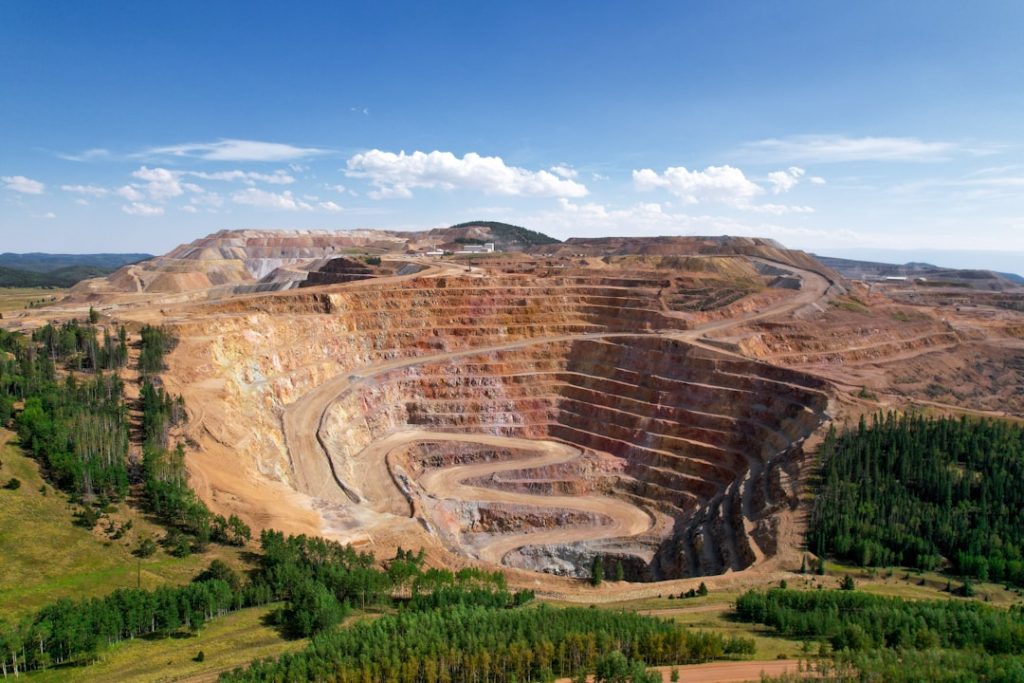
The global energy transition has created an unprecedented demand surge for lithium, cobalt, rare earth elements, and other essential materials, positioning the critical mineral shortage as one of the most significant investment themes of this decade. While renewable energy capacity continues expanding at record pace, the supply chains supporting this transformation face mounting pressure that could reshape entire industries.
Current market dynamics reveal a stark imbalance between supply and demand. The International Energy Agency projects that mineral demand for clean energy technologies will quadruple by 2030, yet new mining projects typically require 10-15 years from discovery to production. This timeline mismatch has created what analysts describe as a structural deficit that extends well beyond typical commodity cycles.
The critical mineral shortage extends far beyond simple supply constraints. Geopolitical factors have intensified the challenge, with key materials concentrated in regions experiencing political instability or trade tensions. China controls approximately 60% of rare earth production and 80% of processing capacity, while the Democratic Republic of Congo produces nearly 70% of global cobalt. This geographic concentration creates vulnerability points that governments and corporations are scrambling to address through strategic stockpiling and supply chain diversification.
Investment opportunities emerging from this shortage span multiple sectors and strategies. Mining companies with proven reserves of lithium, nickel, and rare earth elements have attracted significant capital inflows, with junior exploration firms experiencing particular volatility as investors bet on future discoveries. Beyond traditional extraction, recycling technologies and alternative material development represent growing investment categories as companies seek to reduce dependence on virgin materials.
The automotive sector exemplifies how the critical mineral shortage directly impacts major industries. Electric vehicle manufacturers have secured long-term supply agreements and, in some cases, invested directly in mining operations to guarantee access to battery materials. Tesla’s lithium supply deals, Ford’s nickel agreements, and General Motors’ rare earth partnerships illustrate how manufacturers are integrating vertically to manage supply chain risks.
Energy storage deployment faces similar constraints as grid-scale battery projects compete with automotive applications for the same materials. Utility companies and independent power producers are increasingly factoring mineral availability into project timelines and cost projections, creating ripple effects throughout renewable energy development.
Government intervention has accelerated across developed economies as the strategic importance of mineral security becomes apparent. The United States Inflation Reduction Act includes substantial incentives for domestic critical mineral production and processing, while the European Union’s Critical Raw Materials Act aims to reduce import dependence. These policy frameworks are redirecting investment capital toward previously uneconomical projects and technologies.
Technology innovation offers potential solutions but requires substantial capital investment and time to scale. Solid-state batteries promise reduced reliance on certain critical minerals, while advanced recycling processes could significantly increase material recovery rates. However, these technologies remain largely in development phases, creating a gap between current shortages and future solutions.
For energy investors, the critical mineral shortage represents both immediate opportunity and long-term structural change. Companies that successfully navigate supply chain challenges while others struggle with material access gain competitive advantages that can persist for years. The shortage also accelerates adoption of alternative technologies and business models, creating new investment categories and disrupting established market leaders.
The convergence of environmental regulations, geopolitical tensions, and technological transformation ensures that critical mineral availability will remain a defining factor in energy market evolution. Investors who recognize this shortage as a fundamental shift rather than a temporary disruption are positioning themselves to benefit from one of the most significant resource constraints in modern industrial history.