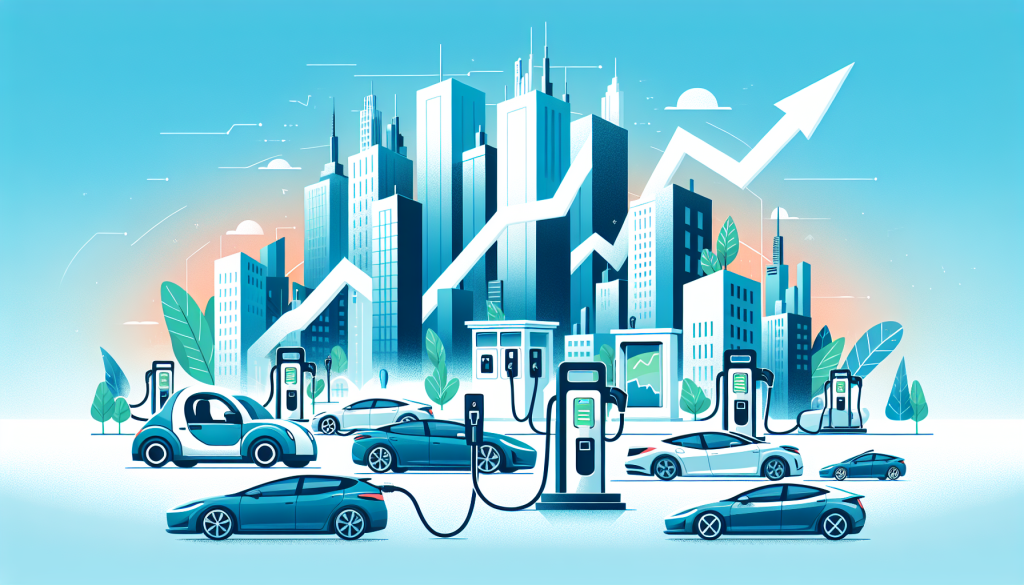
The electric vehicle revolution has reached a tipping point that’s sending shockwaves through traditional energy markets. As charging stations multiply across highways and urban centers, the ripple effects extend far beyond the automotive industry, fundamentally rewiring how we generate, distribute, and consume power on a global scale.
What started as an environmental movement has evolved into an economic force that’s compelling utilities, governments, and investors to rethink century-old energy paradigms. The numbers tell a compelling story: electric vehicle sales have tripled in the past three years, creating demand patterns that traditional grid infrastructure was never designed to handle.
Grid Infrastructure Transforms Under Electric Vehicle Pressure
The EV adoption rate surge has exposed critical weaknesses in aging electrical grids worldwide. Utility companies are scrambling to upgrade transformers, install smart meters, and implement load management systems capable of handling peak charging demands. In California alone, Pacific Gas & Electric has invested over $2.4 billion in grid modernization projects specifically designed to accommodate electric vehicle charging patterns.
Peak demand scenarios paint a picture of dramatic change ahead. When millions of commuters plug in their vehicles simultaneously during evening hours, electricity consumption spikes can exceed the capacity of traditional coal and natural gas plants to respond quickly. This reality is forcing utilities to embrace battery storage solutions and flexible renewable energy sources that can scale up and down rapidly to meet fluctuating demand.
Smart charging technology has emerged as a crucial bridge between current infrastructure and future needs. Time-of-use pricing encourages drivers to charge during off-peak hours, while vehicle-to-grid systems allow electric cars to feed power back into the network during high-demand periods. These innovations transform electric vehicles from energy consumers into distributed storage assets.
Renewable Energy Investment Accelerates to Meet New Demand
The correlation between the EV adoption rate surge and renewable energy deployment has become undeniable. Solar and wind installations are expanding at record pace, driven partly by the need to power transportation electrification sustainably. Bloomberg New Energy Finance reports that countries with aggressive electric vehicle mandates have consistently outpaced renewable energy targets by 15-20%.
Corporate procurement of clean energy has skyrocketed as companies like Amazon, Tesla, and General Motors seek to power their electric fleets with renewable sources. These large-scale commitments provide the long-term contracts that make wind and solar projects financially viable, creating a virtuous cycle of clean energy expansion.
Energy storage deployment has become particularly crucial as electric vehicle charging patterns create new grid stability challenges. Lithium-ion battery costs have plummeted 85% since 2019, making utility-scale storage economically competitive with traditional peaking power plants. This cost reduction directly benefits from the economies of scale created by electric vehicle battery production.
Economic Disruption Reshapes Traditional Energy Markets
Oil demand projections have undergone dramatic revisions as the EV adoption rate surge accelerates beyond most forecasts. The International Energy Agency now predicts global oil consumption will peak before 2030, a timeline that seemed optimistic just five years ago. This shift is forcing petroleum companies to diversify into electric charging networks, renewable energy projects, and hydrogen production.
Natural gas markets are experiencing mixed impacts from transportation electrification. While gasoline demand declines, natural gas consumption for electricity generation has increased in regions where renewable energy deployment lags behind electric vehicle adoption. This temporary boost masks longer-term challenges as battery storage and renewable capacity continue expanding.
Carbon pricing mechanisms are becoming more effective as electric vehicles provide cleaner alternatives to fossil fuel consumption. European carbon markets have seen sustained price increases as transportation emissions become increasingly avoidable rather than inevitable. This trend is encouraging additional investment in clean energy technologies across all economic sectors.
Policy Frameworks Accelerate Energy Transformation
Government mandates and incentives are amplifying the EV adoption rate surge while simultaneously driving energy sector reforms. Norway’s success in achieving 90% electric vehicle market share demonstrates how coordinated policy can accelerate both transportation and energy transitions. Their approach combines purchase incentives, charging infrastructure investment, and renewable energy mandates into a comprehensive transformation strategy.
The United States Inflation Reduction Act has created unprecedented synergies between electric vehicle adoption and domestic clean energy manufacturing. Tax credits for electric vehicles are tied to battery supply chain requirements that favor renewable energy-powered production facilities, creating integrated incentives for sustainable transportation and energy systems.
International cooperation on charging standards and grid integration protocols is reducing barriers to cross-border electric vehicle travel while facilitating technology transfer. The harmonization of fast-charging networks across Europe has enabled long-distance electric travel that was impractical just three years ago, demonstrating how infrastructure coordination can accelerate adoption beyond national boundaries.
The convergence of electric vehicle adoption and energy system transformation represents more than technological progress—it signals a fundamental shift toward distributed, flexible, and sustainable energy networks. As electric vehicles evolve from simple transportation devices into mobile energy storage units, they’re becoming integral components of a smarter, cleaner electrical grid. This transformation promises to deliver benefits that extend far beyond reduced emissions, creating more resilient energy systems capable of supporting continued economic growth while preserving environmental resources for future generations.