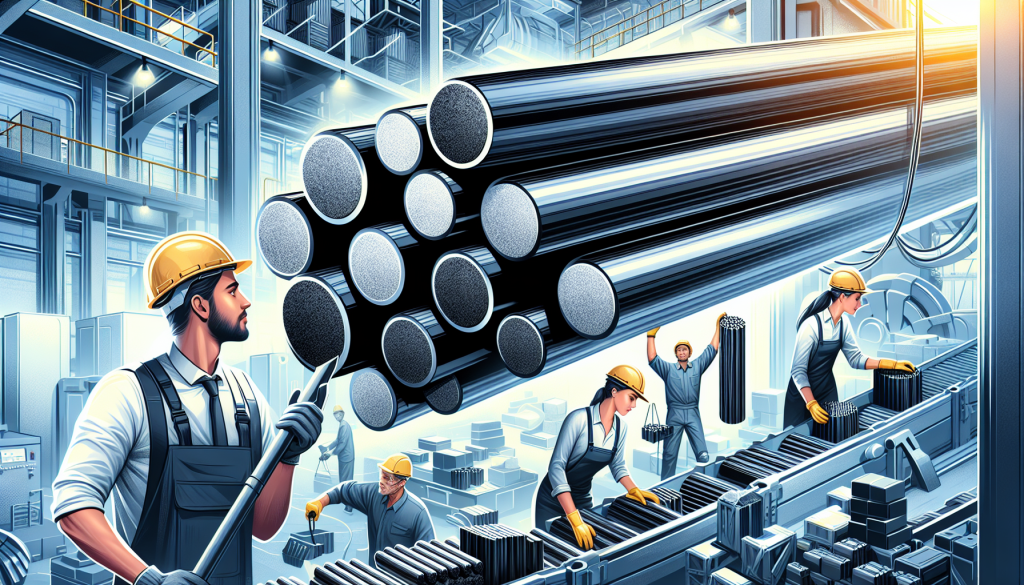
The battery metals landscape is experiencing a fundamental shift that astute investors cannot afford to ignore. While lithium has dominated headlines for years, a critical component hiding in plain sight is about to emerge as the next major catalyst in energy storage markets. Graphite anode supply dynamics are quietly reshaping the entire battery value chain, creating unprecedented opportunities for those who recognize the signs.
Every lithium-ion battery contains more graphite than lithium by weight, yet this essential material receives a fraction of the attention. Natural and synthetic graphite forms the backbone of battery anodes, enabling the charge and discharge cycles that power everything from smartphones to electric vehicles. As global battery production scales exponentially, the graphite anode supply chain faces mounting pressure that traditional suppliers cannot adequately address.
Current market fundamentals reveal a stark reality. China controls approximately 80% of global graphite processing capacity, creating a geographic concentration risk that battery manufacturers increasingly view as untenable. Recent supply chain disruptions have exposed the fragility of this dependence, prompting automotive giants and battery producers to actively seek alternative sources. This diversification imperative is driving massive investment into Western graphite projects, fundamentally altering the competitive landscape.
The technical specifications required for battery-grade graphite create additional supply constraints that casual observers often overlook. Not all graphite qualifies for anode applications. The material must meet stringent purity standards, particle size distributions, and electrochemical performance criteria that eliminate many potential sources. This quality barrier significantly reduces the addressable supply base, concentrating value among producers capable of meeting automotive and energy storage specifications.
Demand projections paint an even more compelling picture for graphite anode supply markets. Electric vehicle adoption continues accelerating across major economies, with government mandates and consumer preferences driving unprecedented battery demand. Energy storage installations for grid applications are expanding rapidly as renewable energy deployment creates storage requirements. Each gigawatt-hour of battery production requires thousands of tons of graphite, translating growing battery markets directly into graphite consumption.
The investment implications extend far beyond mining companies. Battery manufacturers are increasingly integrating backward into graphite processing to secure supply chains. Technology companies are investing in synthetic graphite production facilities. Automotive manufacturers are signing long-term offtake agreements to guarantee material availability. This vertical integration trend is reshaping industry structure while creating value across multiple segments of the graphite anode supply ecosystem.
Environmental considerations add another layer of complexity to graphite anode supply dynamics. Natural graphite mining and processing carry environmental footprints that increasingly conscious consumers and regulators scrutinize. Synthetic graphite production requires significant energy inputs, making production costs sensitive to electricity prices and carbon regulations. Companies developing cleaner processing technologies or sustainable mining practices are positioning themselves advantageously as environmental standards tighten.
Technological developments in battery chemistry could theoretically reduce graphite demand, but current trajectories suggest the opposite. Silicon-enhanced anodes still require substantial graphite content. Next-generation battery designs continue incorporating graphite as a foundational component. While solid-state batteries represent a potential long-term shift, commercial deployment timelines suggest graphite demand will continue growing for decades.
The pricing environment for battery-grade graphite reflects these underlying supply-demand imbalances. Premium products command significant price advantages over commodity grades, rewarding producers who invest in quality and consistency. Long-term contract pricing has diverged substantially from spot markets, indicating sophisticated buyers’ willingness to pay premiums for supply security. This pricing bifurcation creates distinct value propositions for different market participants.
Regional policy initiatives are accelerating graphite anode supply chain development outside traditional producing areas. North American governments are providing incentives for domestic battery material production. European authorities are implementing strategic autonomy programs to reduce import dependence. These policy tailwinds are lowering development risks while improving project economics for Western graphite initiatives.
The convergence of supply constraints, demand growth, technological requirements, and policy support creates a uniquely favorable environment for graphite anode supply investments. Unlike the crowded lithium space where hundreds of projects compete for attention, the graphite sector offers more selective opportunities with clearer competitive advantages. As battery markets continue expanding and supply chain security becomes paramount, graphite anode supply represents the next logical catalyst for battery metals investors seeking differentiated exposure to the energy transition.