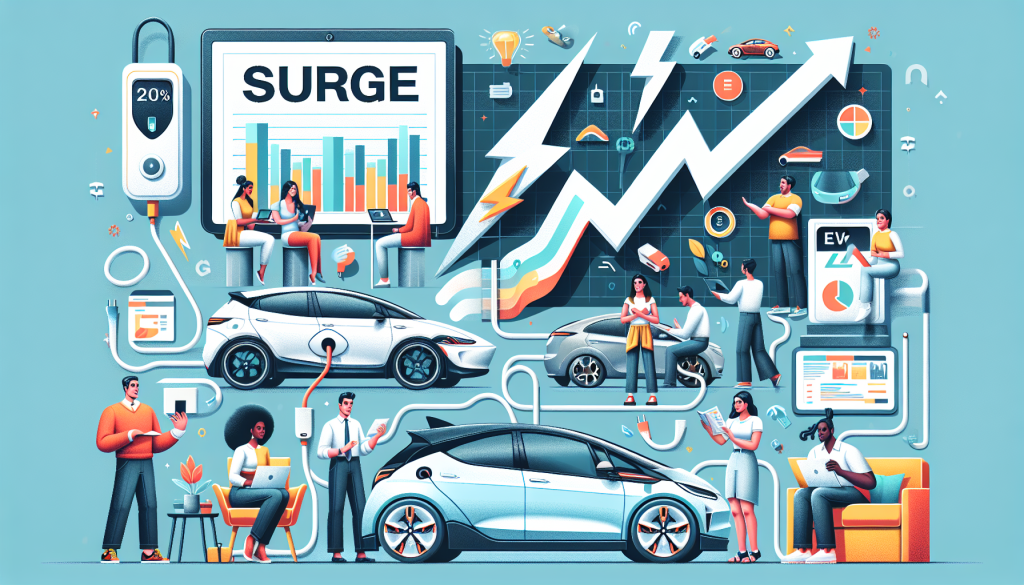
The automotive landscape is experiencing a seismic shift as electric vehicles transition from niche market curiosity to mainstream necessity. This unprecedented EV adoption rate surge is doing more than simply changing how we drive—it’s fundamentally reshaping the global energy ecosystem and accelerating the transition to renewable power sources at a pace that has caught even industry experts by surprise.
The ripple effects extend far beyond vehicle showrooms, creating a cascading transformation across power grids, energy storage systems, and renewable infrastructure development. As millions of new electric vehicles hit the roads each quarter, they’re driving unprecedented demand for clean electricity while simultaneously serving as massive distributed storage networks.
Grid Infrastructure Transformation Driven by Electric Vehicle Demand
The EV adoption rate surge has forced utility companies to completely rethink their infrastructure strategies. Traditional power grids designed for predictable, centralized consumption patterns now face dynamic demand from millions of charging vehicles. This challenge has sparked the most significant grid modernization effort in decades.
Smart charging networks are emerging as critical infrastructure, with bi-directional charging capabilities allowing electric vehicles to feed power back into the grid during peak demand periods. Vehicle-to-grid (V2G) technology transforms every electric car into a potential power storage unit, creating a distributed energy network with unprecedented flexibility. Major utilities report that areas with the highest electric vehicle concentrations are seeing 15-25% improvements in grid stability due to these intelligent charging systems.
The infrastructure investment required is staggering but necessary. Charging networks are expanding exponentially, with fast-charging stations becoming as common as traditional gas stations in many regions. This infrastructure boom is creating jobs, driving innovation in power electronics, and establishing the foundation for a fully electrified transportation system.
Renewable Energy Deployment Accelerated by Electric Transportation
Perhaps the most significant impact of the EV adoption rate surge is how it’s accelerating renewable energy deployment. Electric vehicles create substantial new electricity demand, but this demand is increasingly being met by solar, wind, and other clean energy sources rather than fossil fuel power plants.
Solar panel installations have reached record levels, driven partly by electric vehicle owners seeking to power their cars with clean energy. Home energy systems combining rooftop solar, battery storage, and electric vehicle charging are becoming standard in many markets. This distributed generation model is reducing strain on centralized power plants while increasing energy independence for consumers.
Wind power development has similarly accelerated, with offshore wind farms specifically planned to meet growing electric vehicle charging demand. The predictable nature of transportation energy needs makes renewable energy projects more financially viable, as developers can forecast demand patterns with greater accuracy than traditional grid applications.
Energy Storage Revolution Powered by Electric Vehicle Batteries
The EV adoption rate surge has created an unexpected solution to renewable energy’s biggest challenge: storage. Electric vehicle batteries collectively represent the largest distributed energy storage network ever deployed. During peak solar generation periods, excess renewable energy can charge vehicle batteries. When renewable generation drops, these same batteries can discharge power back to homes and businesses.
Battery technology improvements driven by automotive applications are benefiting stationary energy storage as well. Manufacturing scale economies from electric vehicle production have dramatically reduced battery costs, making grid-scale storage projects economically viable across diverse markets. Second-life applications for electric vehicle batteries are creating additional storage capacity at even lower costs.
This symbiotic relationship between transportation electrification and energy storage is solving multiple challenges simultaneously: reducing transportation emissions, enabling higher renewable energy penetration, and providing grid stability services that were previously expensive and technically challenging.
Economic and Policy Drivers Sustaining the Electric Transition
The momentum behind the EV adoption rate surge extends beyond environmental considerations to fundamental economic advantages. Total cost of ownership for electric vehicles has reached parity with or fallen below conventional vehicles in most markets, driven by lower fuel costs, reduced maintenance requirements, and increasingly competitive purchase prices.
Government policies worldwide are reinforcing these economic trends through purchase incentives, charging infrastructure investments, and increasingly stringent emissions regulations. Many regions have announced phase-out dates for internal combustion engine vehicle sales, creating regulatory certainty that encourages both consumer adoption and business investment in electric vehicle infrastructure.
Corporate fleets are driving significant adoption volumes as businesses recognize operational cost advantages and seek to meet sustainability commitments. Delivery companies, ride-sharing services, and corporate vehicle fleets are transitioning to electric vehicles at accelerated rates, creating consistent demand for charging infrastructure and clean electricity.
The convergence of transportation electrification and renewable energy represents one of the most significant technological and economic shifts of our time. The EV adoption rate surge is not merely changing how we travel—it’s catalyzing a comprehensive energy system transformation that promises cleaner air, energy independence, and economic opportunities across multiple industries. As this transition accelerates, the synergies between electric transportation and renewable energy will likely exceed even the most optimistic current projections, creating a self-reinforcing cycle toward a fully sustainable energy future.