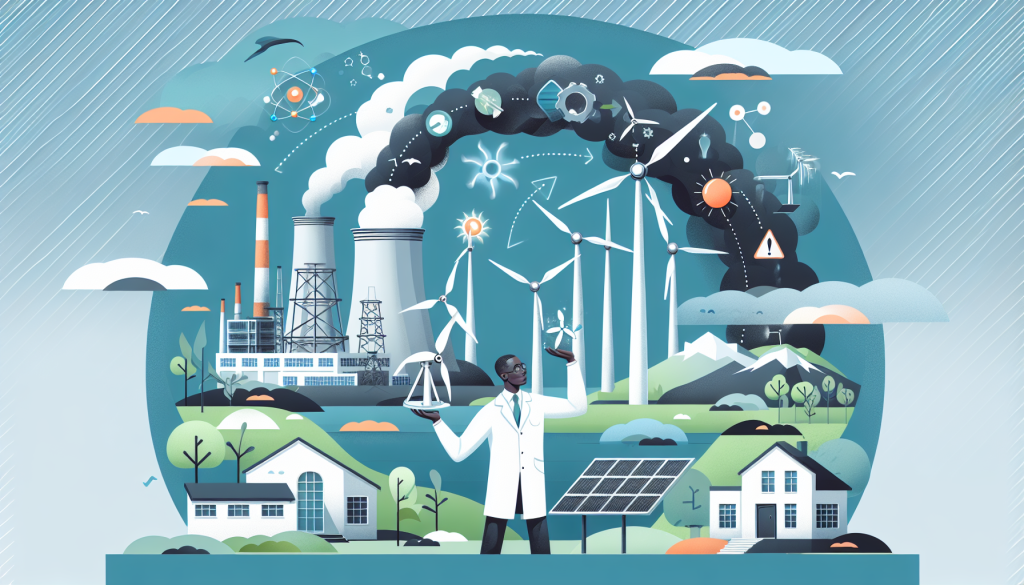
The global energy sector is experiencing its most dramatic transformation in over a century. What began as environmental necessity has evolved into an economic imperative, with the clean energy transition now reshaping everything from geopolitical relationships to local job markets. Nations that once built their economies around fossil fuel exports are pivoting toward renewable energy manufacturing, while traditional energy companies are reimagining their entire business models.
This shift represents far more than a simple fuel swap. The clean energy transition is fundamentally altering how electricity grids operate, how industries plan their operations, and how consumers interact with energy systems. Smart grids equipped with artificial intelligence now balance supply and demand in real-time, accommodating the variable nature of solar and wind power while maintaining grid stability. Energy storage technologies have reached cost parity with traditional backup power systems, enabling utilities to store excess renewable energy during peak production periods and release it when demand surges.
Manufacturing industries are experiencing perhaps the most profound changes. Steel production, historically one of the most carbon-intensive processes, is being revolutionized through hydrogen-based production methods powered by renewable electricity. Chemical companies are redesigning their processes around green hydrogen and sustainable feedstocks. Even cement manufacturers are adopting carbon capture technologies and alternative production methods that dramatically reduce emissions while maintaining product quality.
The financial implications extend well beyond energy bills. Investment flows have decisively shifted toward clean technologies, with renewable energy projects now attracting more capital than fossil fuel developments in most major economies. This capital reallocation is creating new economic centers in regions with abundant renewable resources, while traditional energy hubs are diversifying their economies to remain competitive.
Geopolitical Power Shifts Emerge
The clean energy transition is redistributing geopolitical influence as dramatically as it is reshaping markets. Countries with vast solar and wind resources are becoming the new energy superpowers, while nations that control critical mineral resources for batteries and solar panels are gaining strategic importance. Lithium-rich countries like Chile and Argentina are leveraging their resources to move up the value chain, developing domestic battery manufacturing capabilities rather than simply exporting raw materials.
Supply chain dynamics have evolved to prioritize resilience alongside efficiency. The semiconductor shortages that disrupted multiple industries highlighted the vulnerabilities of concentrated manufacturing. Clean energy supply chains are being designed with geographic diversification built in, reducing dependence on single-country suppliers for critical components like solar panels, wind turbines, and battery systems.
Grid modernization efforts are enabling unprecedented levels of energy independence for communities and businesses. Microgrids powered by local renewable sources can operate independently during emergencies while contributing to overall grid stability during normal operations. This distributed approach to energy generation is making entire regions more resilient to natural disasters and cyber threats.
Innovation Accelerates Across Multiple Sectors
The pace of technological advancement in clean energy continues to exceed most predictions. Perovskite solar cells are moving from laboratory curiosities to commercial reality, promising even higher efficiencies than traditional silicon panels. Floating offshore wind farms are unlocking wind resources in deeper waters where winds blow stronger and more consistently. Advanced geothermal technologies are enabling clean baseload power generation in regions previously considered unsuitable for geothermal energy.
Transportation electrification is creating new demands and opportunities throughout the energy system. Electric vehicle charging infrastructure is being integrated with renewable energy installations and energy storage systems, creating a symbiotic relationship where vehicles serve as mobile energy storage units. Fleet operators are discovering that strategic charging schedules can generate revenue by providing grid services during peak demand periods.
The clean energy transition has moved beyond the realm of environmental policy into the core of economic strategy. Nations and companies that successfully navigate this transformation are positioning themselves for decades of competitive advantage, while those that resist risk being left behind in an increasingly carbon-constrained global economy. The question is no longer whether this transition will occur, but rather how quickly different players can adapt to capitalize on the unprecedented opportunities it presents.