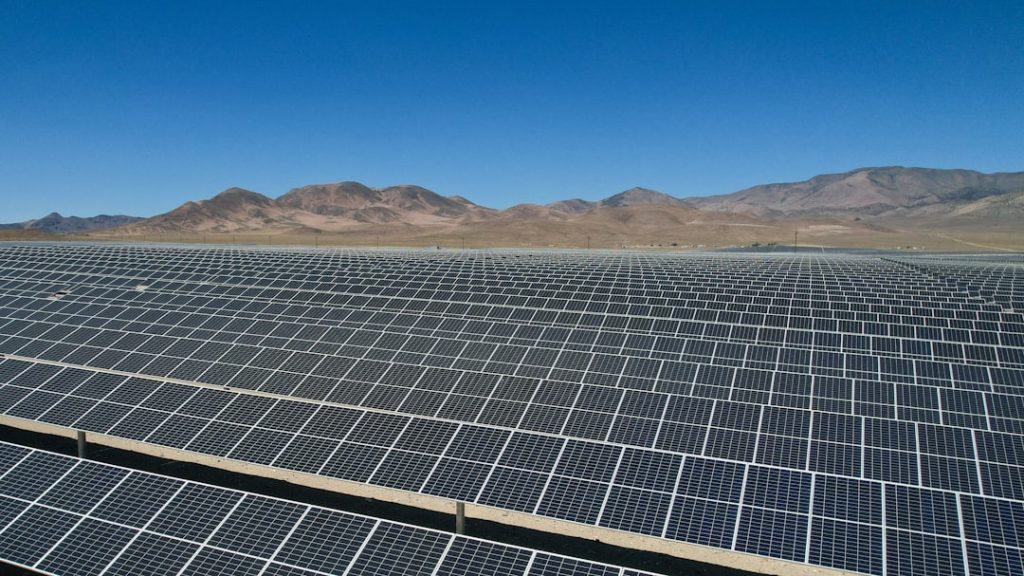
The global energy landscape is experiencing a seismic shift as batteries evolve from simple consumer electronics components into critical infrastructure that powers entire cities. This transformation has created unprecedented opportunities for investors seeking exposure to the clean energy transition, with energy storage investment emerging as one of the most compelling sectors in the renewable energy ecosystem.
Market dynamics have fundamentally changed as grid-scale battery systems prove their ability to solve renewable energy’s intermittency challenge. Wind and solar power generation naturally fluctuates, but advanced battery technologies now store excess energy during peak production periods and release it when demand surges or renewable sources aren’t available. This capability has transformed energy storage from a nice-to-have technology into an essential component of modern power infrastructure.
Investment capital is flowing into this sector at remarkable rates, with global energy storage deployment increasing by over 140% annually in recent years. Lithium-ion battery costs have plummeted by more than 85% over the past decade, making large-scale storage economically viable for utilities, commercial enterprises, and residential applications. This cost reduction trajectory continues as manufacturing scales up and new chemical compositions improve energy density while reducing material costs.
The regulatory environment strongly supports energy storage investment opportunities across multiple jurisdictions. Governments worldwide are implementing mandates requiring utilities to integrate storage capacity into their generation mix, while offering tax incentives and direct subsidies to accelerate adoption. Grid operators increasingly value storage systems for their ability to provide frequency regulation, voltage support, and peak shaving services that enhance overall grid stability and efficiency.
Technology diversification within the storage sector creates multiple investment pathways for different risk profiles and return expectations. While lithium-ion systems dominate current deployments, emerging technologies including flow batteries, compressed air energy storage, and green hydrogen systems offer distinct advantages for specific applications. Flow batteries excel in long-duration storage applications, while hydrogen systems provide seasonal energy storage capabilities that complement shorter-term battery solutions.
Commercial and industrial customers drive significant demand growth as businesses seek to reduce energy costs and improve power reliability. Energy storage systems enable peak shaving strategies that dramatically reduce demand charges on utility bills, while providing backup power during outages. Manufacturing facilities, data centers, and healthcare institutions increasingly view storage as essential infrastructure rather than optional equipment, creating stable revenue streams for storage developers and operators.
Supply chain considerations present both challenges and opportunities within energy storage investment strategies. Raw material availability for battery production, particularly lithium, nickel, and rare earth elements, affects long-term cost projections and investment returns. However, recycling technologies and alternative battery chemistries are reducing dependence on constrained materials while creating new business models around battery lifecycle management and material recovery.
Geographic variations in energy storage markets offer diverse investment opportunities tailored to regional conditions and policy frameworks. Markets with high renewable penetration and volatile electricity prices typically offer the most attractive returns for storage projects, while regions with aging grid infrastructure present opportunities for storage-plus-transmission solutions that defer costly infrastructure upgrades.
Financial structures for energy storage investment continue evolving as the sector matures and performance data accumulates. Revenue stacking strategies combine multiple value streams including energy arbitrage, capacity payments, ancillary services, and transmission deferral to optimize project economics. These diversified revenue models reduce investment risk while maximizing returns across different market conditions and regulatory environments.
The convergence of falling costs, supportive policies, and proven performance metrics positions energy storage investment as a cornerstone of the global energy transition. As utilities, businesses, and consumers increasingly recognize storage as essential infrastructure for a renewable-powered future, investment opportunities will expand across manufacturing, project development, and innovative financing structures. The battery revolution isn’t coming—it’s already transforming how the world generates, stores, and consumes energy, creating wealth-building opportunities for investors who recognize this fundamental shift in energy markets.