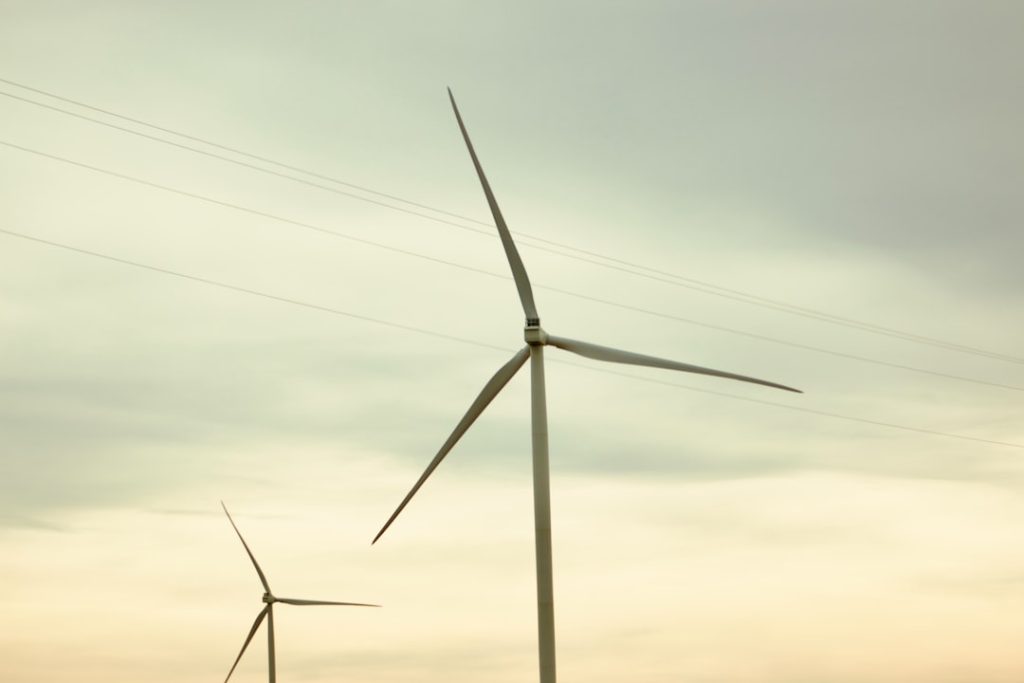
The global clean energy transition has reached an unprecedented inflection point, with investment flows hitting record levels and technological breakthroughs fundamentally reshaping how the world generates, stores, and consumes energy. What was once viewed as an idealistic vision has transformed into the most compelling investment opportunity of our time, driven by converging forces of policy support, technological innovation, and economic necessity.
Market data reveals that renewable energy sources now represent the fastest-growing segment of the global energy portfolio, while traditional fossil fuel investments continue their steady decline. This paradigm shift extends far beyond environmental considerations—it represents a complete restructuring of one of the world’s largest and most influential industries.
Investment Capital Accelerates Clean Energy Deployment
The financial momentum behind the clean energy transition has become impossible to ignore. Global renewable energy investments have surged past $2 trillion annually, with solar and wind projects attracting the largest share of capital deployment. Private equity firms, institutional investors, and sovereign wealth funds are redirecting massive resources toward clean energy infrastructure, recognizing both the profit potential and the strategic necessity of this sector.
Battery storage technology investments have experienced particularly explosive growth, as energy storage solutions solve the intermittency challenges that previously limited renewable energy adoption. Advanced grid modernization projects are simultaneously receiving substantial funding, creating the intelligent infrastructure necessary to manage distributed energy resources effectively. These coordinated investments are creating a self-reinforcing cycle where each technological advancement makes the entire clean energy ecosystem more attractive to additional capital.
Technology Breakthroughs Drive Market Transformation
Recent technological developments have fundamentally altered the economics of clean energy, making renewable sources the lowest-cost option for new electricity generation in most global markets. Solar panel efficiency improvements and manufacturing scale have driven costs down by more than 70% over the past five years, while offshore wind technology has unlocked vast energy resources previously considered economically unviable.
Emerging technologies like green hydrogen production and advanced nuclear reactor designs are expanding the clean energy transition beyond electricity generation into industrial processes, transportation, and heating applications. These innovations are addressing sectors that were traditionally difficult to decarbonize, creating new market opportunities worth hundreds of billions of dollars. Energy management software and artificial intelligence applications are optimizing renewable energy systems in real-time, maximizing output while minimizing costs.
Policy Frameworks Provide Market Stability
Government policies worldwide have evolved from providing basic incentives to creating comprehensive frameworks that ensure long-term market stability for clean energy investments. Carbon pricing mechanisms now cover more than 40% of global greenhouse gas emissions, creating predictable economic advantages for clean energy sources over fossil fuel alternatives.
Regulatory changes are streamlining permitting processes for renewable energy projects while simultaneously tightening environmental standards for traditional energy sources. International trade agreements increasingly include clean energy provisions, creating global markets for renewable energy technologies and establishing common technical standards. These policy developments provide the regulatory certainty that large-scale investors require for long-term capital commitments.
Market Outlook Points to Continued Expansion
Forward-looking analysis indicates the clean energy transition will continue accelerating through the remainder of this decade. Demand projections show exponential growth in electric vehicle adoption, industrial electrification, and data center expansion, all of which require substantial new clean electricity generation capacity.
Supply chain developments are resolving previous bottlenecks in clean energy deployment, with new manufacturing facilities coming online across multiple continents. Raw material sourcing for batteries and solar panels is becoming more diversified and sustainable, reducing supply risks that previously concerned investors. Workforce development programs are training millions of workers for clean energy careers, ensuring adequate human resources for continued sector expansion.
The clean energy transition represents far more than an environmental initiative—it has become the defining economic transformation of the current era. Market forces, technological innovation, and policy support have created unstoppable momentum toward a clean energy future. Investors, businesses, and governments that recognize and act on these trends will be best positioned to benefit from one of the largest wealth creation opportunities in modern history. The transition is no longer a question of if, but rather how quickly markets can adapt to capture the enormous value being created.