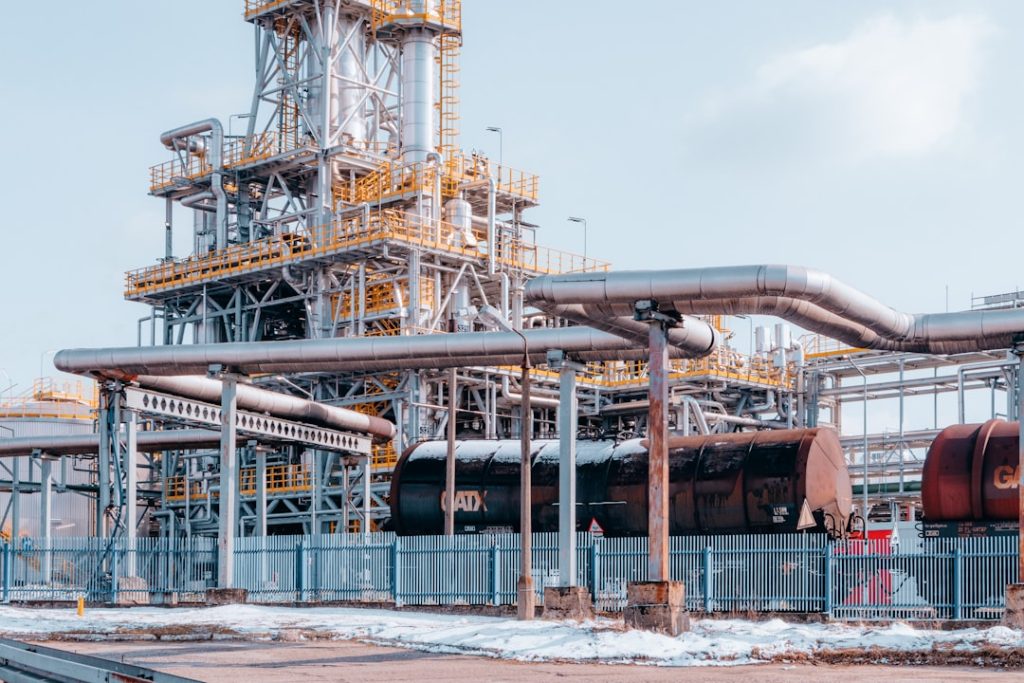
The global energy landscape is witnessing a fundamental shift as institutional investors and private equity firms increasingly recognize the strategic value of refinery capacity build projects. While renewable energy dominates headlines, savvy investors understand that petroleum product demand will persist for decades, creating compelling opportunities in downstream infrastructure.
Current market dynamics reveal a stark reality: global refining capacity has struggled to keep pace with evolving demand patterns. The International Energy Agency reports that while crude oil production has expanded significantly, refining bottlenecks continue to constrain the supply of gasoline, diesel, and jet fuel. This supply-demand imbalance creates substantial profit margins for operators with sufficient processing capacity, making refinery capacity build initiatives increasingly attractive to forward-thinking investors.
The investment thesis extends beyond simple supply constraints. Modern refinery capacity build projects incorporate advanced technologies that enable operators to process heavier crude grades while producing cleaner-burning fuels. These technological advantages translate into operational flexibility and enhanced profit margins, particularly as environmental regulations tighten globally. Investors recognize that facilities capable of meeting stringent emissions standards while maintaining cost-effective operations will command premium valuations in the coming decades.
Geographic Opportunities Drive Investment Flows
Regional analysis reveals compelling opportunities across multiple markets. Asia-Pacific economies continue expanding their industrial bases, driving robust demand for refined products. Meanwhile, several African nations are prioritizing domestic refining capacity to reduce dependence on imported fuels. These markets offer attractive risk-adjusted returns for investors willing to navigate regulatory frameworks and partner with local stakeholders.
The United States presents a different but equally compelling case. Despite being a mature market, strategic refinery capacity build projects focused on export-oriented facilities are generating significant investor interest. The country’s abundant crude oil resources, combined with competitive natural gas prices for hydrogen production, create favorable economics for new refining investments. Additionally, the Jones Act creates natural barriers to competition, protecting domestic refining margins.
Environmental considerations are reshaping the refinery capacity build landscape rather than eliminating opportunities. Progressive investors understand that new facilities incorporating carbon capture technologies, renewable energy integration, and circular economy principles will outperform legacy assets. These next-generation refineries can process both conventional crude oil and bio-based feedstocks, providing operational flexibility as energy markets evolve.
Financial Returns Support Strategic Positioning
Historical performance data demonstrates the resilience of well-positioned refining assets through various economic cycles. Unlike upstream exploration projects that carry geological risks, refinery capacity build investments offer more predictable returns based on processing margins and throughput volumes. The capital-intensive nature of these projects creates natural barriers to entry, protecting established operators from excessive competition.
Portfolio diversification benefits further enhance the investment appeal of refinery capacity build projects. These assets typically generate steady cash flows that are partially insulated from crude oil price volatility, as margins often improve when supply-demand imbalances emerge. For institutional investors seeking inflation-hedged returns with moderate risk profiles, modern refining infrastructure offers compelling characteristics.
The financing landscape for refinery capacity build projects has evolved significantly, with development banks and export credit agencies providing attractive terms for projects meeting environmental and social governance criteria. This financing support reduces equity requirements and improves overall project returns, making these investments accessible to a broader range of institutional investors.
As global energy markets continue evolving, refinery capacity build projects represent a strategic intersection of current energy needs and future market positioning. Investors who recognize the long-term value of downstream infrastructure, combined with the technological innovation transforming modern refining operations, are positioning their portfolios for sustained outperformance in an increasingly complex energy landscape.