The global clean energy transition is experiencing unprecedented momentum as breakthrough technologies converge to accelerate adoption at speeds that have surprised even the most optimistic forecasters. What began as incremental progress has transformed into an exponential shift that’s fundamentally reshaping how the world produces, stores, and consumes energy.
Advanced battery storage systems have emerged as perhaps the most transformative force driving this acceleration. The dramatic cost reductions in lithium-ion batteries – falling by over 85% in the past decade – have solved the intermittency challenge that once limited renewable energy deployment. Grid-scale storage installations are now being deployed at gigawatt scale, enabling utilities to rely on wind and solar power even when the sun isn’t shining or the wind isn’t blowing. This technological breakthrough has effectively removed the primary barrier that prevented renewables from achieving grid dominance.
Artificial intelligence and machine learning algorithms are optimizing energy systems with remarkable precision, predicting demand patterns and managing complex grid operations in real-time. These intelligent systems can forecast renewable energy generation hours in advance, automatically balance supply and demand across vast networks, and identify the most efficient deployment strategies for new clean energy infrastructure. The result is a more resilient and efficient energy ecosystem that maximizes the value of every kilowatt generated from renewable sources.
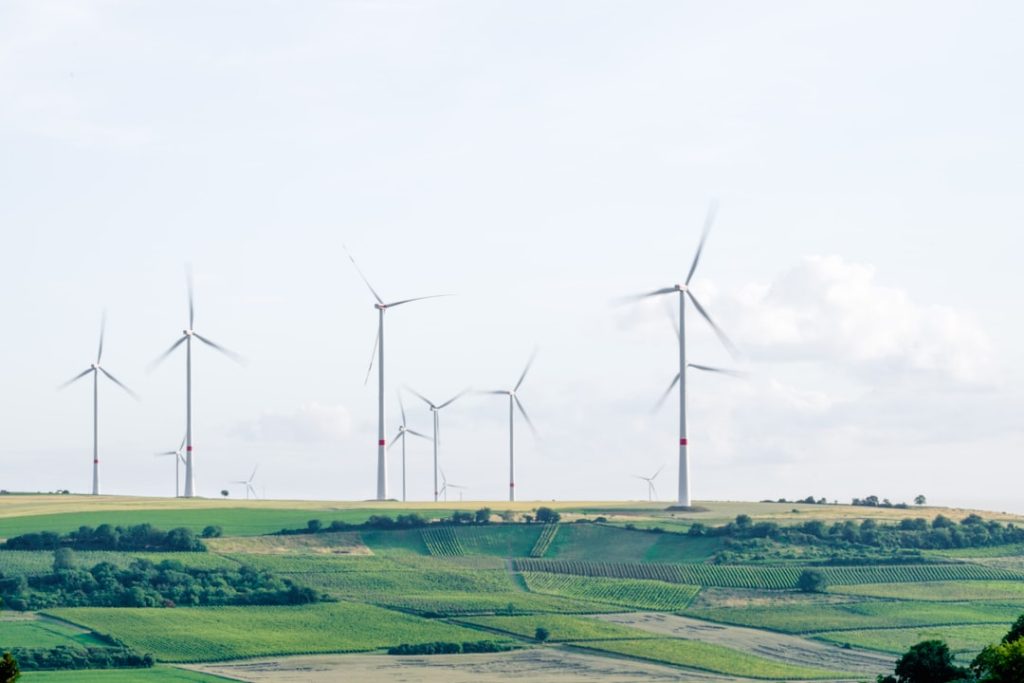
The manufacturing sector has become a powerful catalyst for the clean energy transition through innovative production techniques and economies of scale. Solar panel manufacturing has achieved such efficiency that photovoltaic installations now represent the cheapest form of electricity generation in most regions globally. Similarly, wind turbine technology has evolved to capture energy from lower wind speeds while generating more power per installation, making wind energy viable in previously unsuitable locations.
Electric vehicle adoption is creating a virtuous cycle that strengthens the entire clean energy ecosystem. As EV sales surge globally, they’re driving massive investments in charging infrastructure powered by renewable sources. More importantly, the growing fleet of electric vehicles is beginning to function as a distributed energy storage network through vehicle-to-grid technologies. This means millions of car batteries can now support grid stability while their owners sleep, effectively multiplying the available storage capacity without additional infrastructure investments.
Financial markets have recognized this technological convergence, channeling unprecedented capital flows toward clean energy projects. Investment in renewable energy infrastructure has reached record levels, with funding availability no longer serving as a constraint for viable projects. Green bonds, sustainability-linked loans, and climate-focused investment funds are providing the financial foundation for rapid scaling of clean energy deployment across both developed and emerging markets.
Policy frameworks worldwide are adapting to support and accelerate this technology-driven transformation. Governments are implementing carbon pricing mechanisms, renewable energy mandates, and elimination of fossil fuel subsidies that create favorable conditions for clean energy investments. These policy changes, combined with technological breakthroughs, are creating market conditions where clean energy solutions consistently outcompete traditional fossil fuel alternatives on both cost and performance metrics.
The semiconductor industry’s advancement in power electronics is enabling more efficient energy conversion and management across all clean energy applications. Next-generation inverters, power management systems, and smart grid components are reducing energy losses while improving system reliability. These improvements may seem incremental individually, but collectively they’re enhancing the overall efficiency and attractiveness of renewable energy systems.
Industrial applications are increasingly embracing clean energy solutions as operational improvements rather than just environmental commitments. Manufacturing facilities powered by renewable energy often experience lower and more predictable operating costs, while industrial heat pumps and electric heating systems provide superior process control compared to fossil fuel alternatives. This shift represents a fundamental change where clean energy adoption is driven by business optimization rather than regulatory compliance.
The clean energy transition has reached a tipping point where technological advancement, economic fundamentals, and policy support are perfectly aligned to drive exponential rather than linear growth. As each breakthrough technology reinforces and amplifies the others, the pace of transformation continues to accelerate beyond previous projections. The question is no longer whether the clean energy transition will succeed, but how quickly it will reshape the global energy landscape and what opportunities will emerge for those positioned to capitalize on this historic transformation.