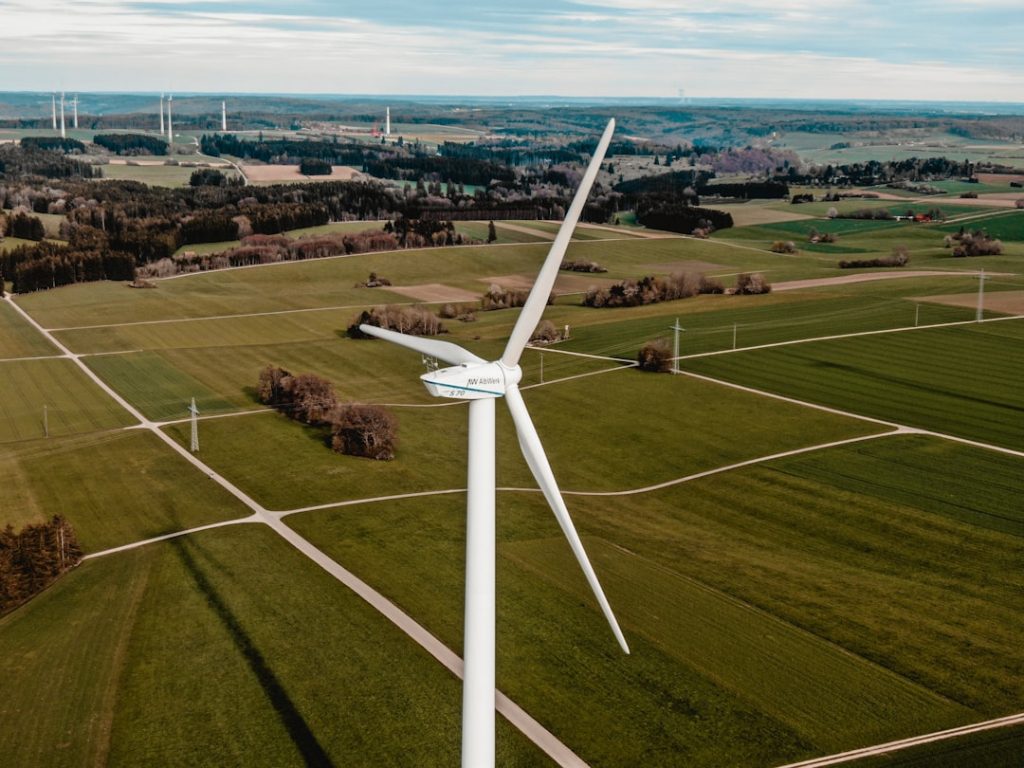
The global clean energy transition has reached an inflection point, with investment flows and deployment rates now outpacing even the most optimistic projections from just five years ago. Recent market analysis reveals that clean energy investments are on track to reach $4.2 trillion by 2030, fundamentally reshaping how the world produces, stores, and consumes energy. This unprecedented capital mobilization signals that the clean energy transition has moved beyond policy aspirations to become an unstoppable economic force.
Investment Momentum Reaches Historic Levels
Clean energy investments have demonstrated remarkable resilience and growth, even amid global economic uncertainties. Solar and wind installations now represent the fastest-growing segments of global electricity generation, with manufacturing costs continuing their dramatic decline. Battery storage deployment has increased sixfold since 2020, while green hydrogen projects have moved from pilot phases to commercial-scale operations. Financial institutions are increasingly viewing clean energy assets as essential portfolio components, driving down capital costs and accelerating project timelines. This investment surge reflects growing confidence that the clean energy transition offers both climate benefits and superior long-term returns compared to traditional energy investments.
Technology Breakthroughs Drive Market Expansion
Technological advancement continues to be the primary catalyst propelling the clean energy transition forward. Perovskite solar cells have achieved commercial viability, offering efficiency gains of up to 40% over traditional silicon panels. Advanced geothermal systems are unlocking previously inaccessible renewable energy resources, while floating offshore wind farms are opening vast new areas for development. Energy storage innovations, including solid-state batteries and compressed air systems, are solving intermittency challenges that once limited renewable deployment. These technological leaps are not only improving performance but also dramatically reducing the total cost of ownership for clean energy systems across all sectors.
Policy Frameworks Accelerate Adoption Rates
Government policies worldwide have created increasingly favorable conditions for clean energy transition initiatives. Carbon pricing mechanisms now cover over 40% of global emissions, providing clear economic incentives for clean energy adoption. Renewable energy mandates, coupled with fossil fuel subsidy reforms, are leveling the competitive playing field. Grid modernization investments are enabling higher renewable penetration rates, while streamlined permitting processes are reducing project development timelines. International cooperation agreements are facilitating technology transfer and financing for developing nations, ensuring the clean energy transition maintains its global momentum.
Regional Markets Show Divergent Growth Patterns
Clean energy transition dynamics vary significantly across global markets, reflecting different resource endowments, policy environments, and economic conditions. Asia-Pacific regions continue to dominate manufacturing and deployment volumes, accounting for nearly 60% of new renewable capacity additions. European markets are leading in offshore wind development and green hydrogen initiatives, driven by energy security concerns and ambitious climate targets. North American markets show strong growth in utility-scale solar and energy storage, supported by federal incentives and state-level renewable portfolio standards. Emerging markets in Africa and Latin America are increasingly bypassing traditional energy infrastructure in favor of distributed renewable systems, creating unique opportunities for innovative financing models.
The clean energy transition has evolved from an environmental imperative to an economic reality that is reshaping global energy markets. With technology costs continuing to decline, investment capital flowing at unprecedented levels, and supportive policies gaining traction worldwide, the momentum behind clean energy adoption appears irreversible. Market participants who position themselves strategically within this transition stand to benefit from what may prove to be the largest infrastructure transformation in modern history.