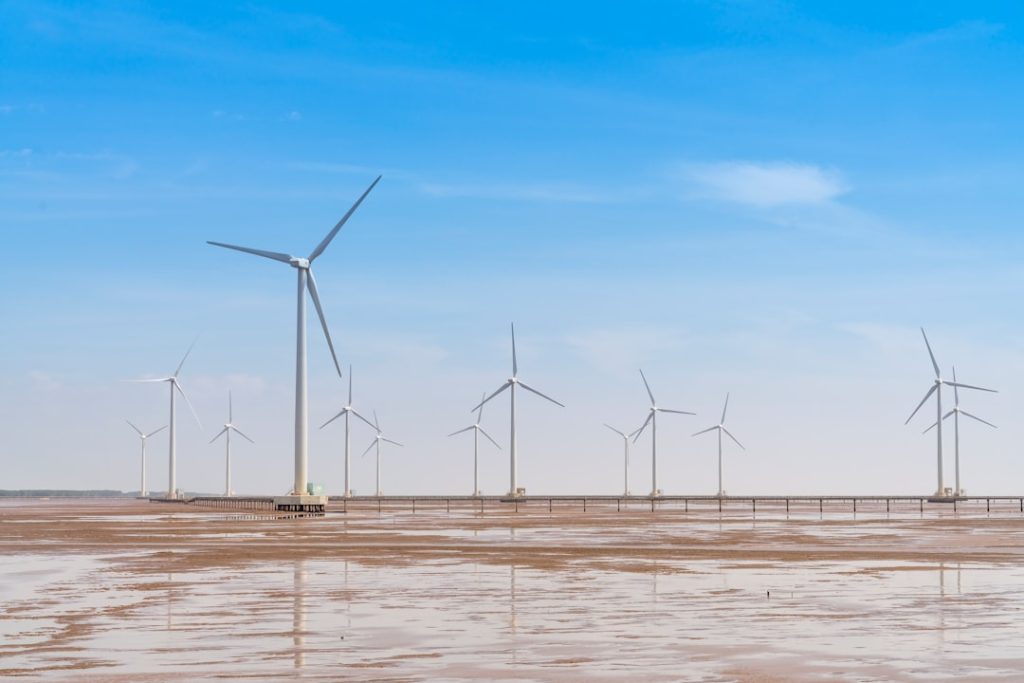
The global energy landscape is experiencing a seismic shift as investors pour billions into energy storage technologies, creating unprecedented opportunities for those positioned to capitalize on this transformation. With grid modernization accelerating worldwide and renewable energy adoption reaching critical mass, energy storage investment has emerged as one of the most compelling sectors in the green energy revolution.
Battery storage systems alone attracted over $120 billion in global investment last year, representing a 340% increase from five years ago. This explosive growth reflects the critical role energy storage plays in solving renewable energy’s intermittency challenge while stabilizing electrical grids increasingly dependent on wind and solar power. Major utilities, corporations, and governments are recognizing that without robust storage infrastructure, the transition to clean energy cannot achieve its full potential.
The investment thesis for energy storage extends far beyond traditional lithium-ion batteries. Innovative technologies including compressed air energy storage, pumped hydro systems, and emerging solid-state batteries are attracting significant capital as investors seek to diversify their energy storage investment portfolios. Flow batteries, particularly vanadium redox systems, are gaining traction for large-scale applications due to their exceptional longevity and safety profiles, with several publicly traded companies in this space delivering triple-digit returns to early investors.
Corporate power purchase agreements have become a driving force behind energy storage investment growth. Tech giants like Amazon, Microsoft, and Google are signing long-term contracts that combine renewable generation with storage capabilities, providing predictable revenue streams that make projects highly attractive to institutional investors. These agreements often span 15-25 years, offering the stability that pension funds and insurance companies demand while generating returns that significantly outpace traditional fixed-income investments.
Geographic diversification presents another compelling aspect of energy storage investment opportunities. While the United States and China dominate current capacity installations, emerging markets in Southeast Asia, Latin America, and Africa are experiencing rapid growth as their grids modernize. Countries like India and Brazil are implementing policies that mandate storage components for new renewable projects, creating substantial investment pipelines that forward-thinking investors are already targeting.
The regulatory environment continues to evolve favorably for energy storage investment, with governments worldwide implementing policies that enhance project economics. The U.S. Investment Tax Credit now applies to standalone storage systems, while the European Union’s Green Deal includes substantial funding mechanisms for grid-scale storage projects. These policy frameworks reduce investment risk while improving returns, making energy storage investment increasingly attractive compared to traditional energy sector investments.
Supply chain considerations are reshaping energy storage investment strategies as investors recognize the importance of vertical integration and domestic manufacturing capabilities. Companies controlling critical mineral extraction, battery cell production, and system integration are commanding premium valuations as investors seek exposure to the entire value chain rather than single-point solutions.
The convergence of electric vehicle adoption and stationary storage is creating additional investment opportunities through vehicle-to-grid technologies and second-life battery applications. This circular economy approach extends battery asset lifecycles while generating multiple revenue streams, enhancing overall investment returns and reducing environmental impact simultaneously.
As energy storage technologies mature and costs continue declining, the investment landscape is shifting from speculative growth plays toward infrastructure-like assets generating predictable cash flows. This evolution is attracting a broader investor base, including traditional infrastructure funds and yield-focused strategies, while creating opportunities for both growth and income-oriented energy storage investment approaches. The sector’s transformation from emerging technology to essential infrastructure represents a generational wealth-building opportunity for investors willing to embrace the future of energy.