The global energy sector is experiencing its most dramatic transformation since the Industrial Revolution. With renewable energy investments reaching unprecedented levels and technological breakthroughs reducing costs faster than predicted, the clean energy transition has evolved from an environmental aspiration into an economic imperative that’s fundamentally reshaping how nations power their economies.
This shift represents more than just switching from fossil fuels to renewables—it’s creating entirely new geopolitical dynamics, supply chains, and economic opportunities that are redefining energy security for the 21st century.
Investment Capital Flows Signal Irreversible Market Shift
Global clean energy investments have surged to over $2.8 trillion annually, representing nearly 70% of all energy sector capital expenditure. This financial momentum demonstrates that the clean energy transition has reached a tipping point where market forces, rather than just policy mandates, are driving adoption.
Emerging economies are capturing an increasing share of these investments, with countries like India, Brazil, and Vietnam attracting massive solar and wind projects. The International Energy Agency reports that developing nations now account for 65% of global renewable capacity additions, marking a dramatic shift from the early days when clean energy was primarily concentrated in wealthy countries.
Private equity and institutional investors are particularly drawn to the stable, long-term returns offered by renewable projects. Wind and solar assets now provide some of the most predictable cash flows in the energy sector, with 20-25 year power purchase agreements becoming standard practice.
Technology Breakthroughs Drive Cost Competitiveness
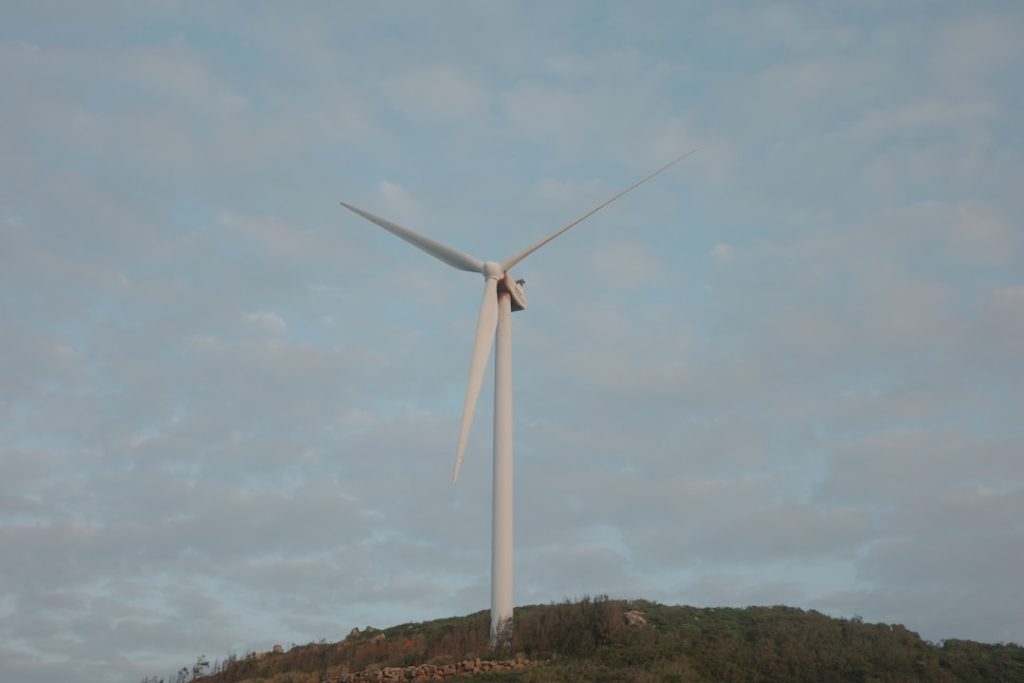
The economic case for the clean energy transition has been strengthened by remarkable technological advances. Solar photovoltaic costs have declined by 89% over the past decade, while offshore wind costs have dropped by 69%. These reductions have made renewables the cheapest source of electricity in most global markets.
Battery storage technology has emerged as a game-changer, with lithium-ion battery costs falling by 90% since 2010. This breakthrough has solved the intermittency challenge that previously limited renewable deployment, enabling grid-scale storage projects that can provide power even when the sun isn’t shining or wind isn’t blowing.
Advanced manufacturing techniques, particularly in China and Southeast Asia, have created economies of scale that continue driving costs down. The learning curve effect means that every doubling of cumulative production results in 15-25% cost reductions, creating a self-reinforcing cycle of adoption and affordability.
Energy Security Concerns Accelerate National Strategies
Geopolitical tensions have elevated energy independence as a national security priority, accelerating domestic clean energy transition programs worldwide. Countries are recognizing that renewable resources—sunshine, wind, and water—cannot be weaponized or subject to supply disruptions like fossil fuel imports.
The European Union’s REPowerEU initiative exemplifies this strategic shift, aiming to eliminate fossil fuel imports through massive renewable deployment. Similarly, Japan and South Korea have dramatically increased their clean energy targets following supply chain disruptions, while the United States has implemented substantial domestic manufacturing incentives for solar panels and batteries.
This energy security imperative has created a new form of economic nationalism, with countries competing to develop domestic clean energy supply chains. Nations are investing heavily in critical mineral processing, battery manufacturing, and renewable component production to reduce dependence on single-source suppliers.
Grid Modernization Enables Distributed Energy Systems
The clean energy transition is driving fundamental changes in electrical grid architecture. Traditional centralized power systems are evolving into distributed networks that can accommodate millions of small-scale generators, from rooftop solar panels to community wind projects.
Smart grid technologies, including advanced metering infrastructure and real-time demand response systems, are enabling this transformation. Artificial intelligence and machine learning algorithms now optimize energy flows across complex networks, balancing supply and demand in real-time while maintaining grid stability.
Virtual power plants—networks of distributed energy resources managed as single entities—are becoming commercially viable alternatives to traditional peaking power plants. These systems can aggregate thousands of individual solar installations, battery systems, and controllable loads to provide grid services previously only available from large central stations.
The momentum behind the global clean energy transition has become unstoppable, driven by compelling economics, technological breakthroughs, and strategic imperatives that extend far beyond climate considerations. As costs continue declining and deployment scales expand, clean energy is not just competing with fossil fuels—it’s increasingly displacing them across every sector of the global economy. This transformation represents the largest infrastructure buildout in human history, creating opportunities for innovation, investment, and economic growth that will define the next several decades.