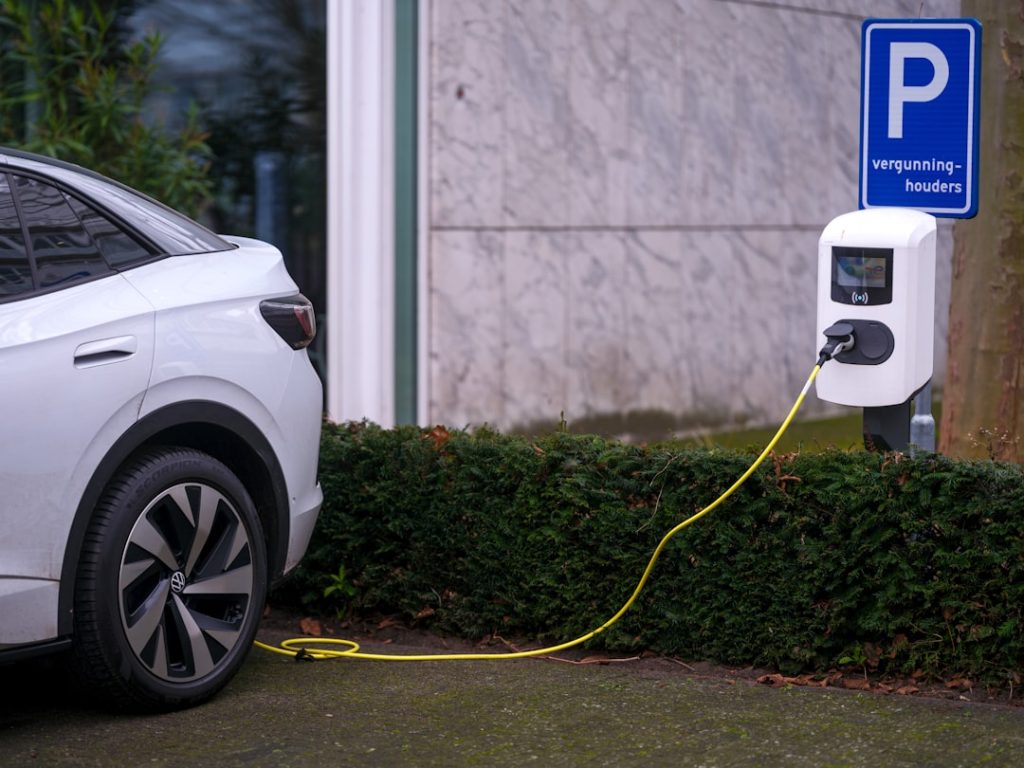
The global transportation landscape is experiencing a fundamental transformation that’s creating extraordinary wealth-building opportunities for forward-thinking investors. Electric vehicle sales have shattered every previous record, with quarterly deliveries exceeding analyst projections by margins that would have been considered impossible just five years ago. This unprecedented momentum represents far more than a temporary market trend—it’s the foundation of a multi-trillion-dollar economic shift that’s redefining energy infrastructure, manufacturing capabilities, and investment portfolios worldwide.
The EV adoption rate surge has reached a critical inflection point where mass market acceptance intersects with technological maturity and cost competitiveness. Manufacturing giants across three continents are retooling entire production lines, while startup companies with revolutionary battery technologies are attracting billion-dollar valuations seemingly overnight. Tesla’s continued dominance is now being challenged by established automakers who have finally recognized that electric powertrains aren’t a niche market but the inevitable future of personal and commercial transportation.
What makes this transformation particularly compelling from an investment perspective is the cascading effect it’s having across interconnected industries. Battery production facilities are experiencing unprecedented demand, leading to massive expansions in lithium mining operations, rare earth element extraction, and advanced materials manufacturing. The ripple effects extend beyond raw materials into sophisticated supply chains that include semiconductor production, charging infrastructure development, and grid modernization projects that collectively represent investment opportunities worth hundreds of billions of dollars.
Smart money is recognizing that the EV adoption rate surge creates investment opportunities that extend far beyond individual vehicle manufacturers. Power grid modernization has become an urgent necessity as millions of electric vehicles require charging infrastructure that current electrical systems simply cannot support. Utility companies are investing heavily in grid upgrades, smart charging technologies, and renewable energy generation capacity to meet this explosive demand. These infrastructure investments create stable, long-term returns that appeal to institutional investors seeking exposure to the green energy transition without the volatility associated with individual technology stocks.
The international dimension of this transformation cannot be understated. European governments have implemented increasingly aggressive internal combustion engine phase-out timelines, while Asian markets are experiencing electric vehicle penetration rates that consistently exceed government targets. China’s dominance in battery manufacturing has created geopolitical implications that are driving domestic battery production investments across North America and Europe, effectively creating multiple regional markets with distinct investment characteristics and growth trajectories.
Perhaps most significantly, the financial markets are beginning to recognize that companies positioned strategically within the electric vehicle ecosystem often demonstrate revenue growth patterns and profit margins that traditional automotive investment models cannot accurately predict. Battery technology companies, charging network operators, and specialized component manufacturers are achieving valuations that reflect their critical roles in enabling the broader transition rather than their current revenue figures alone.
The convergence of environmental necessity, technological advancement, and economic opportunity that defines the current EV adoption rate surge represents a generational investment theme that transcends typical market cycles. Energy storage technologies developed for electric vehicles are finding applications in residential and commercial power systems, creating entirely new market categories. Autonomous driving capabilities are advancing rapidly within electric platforms, suggesting that transportation-as-a-service business models may emerge sooner than previously anticipated.
For investors seeking exposure to this transformation, the opportunity extends across risk profiles and investment horizons. Conservative portfolios can benefit from utility companies and established manufacturers with credible electric vehicle strategies, while growth-oriented investors can explore emerging battery technologies, charging infrastructure providers, and innovative software platforms that optimize electric vehicle performance and integration with smart power grids.
The data supporting continued acceleration in electric vehicle adoption remains overwhelmingly positive, with manufacturing capacity expansions, government policy support, and consumer preference surveys all indicating that current growth rates represent the early stages of a much larger transformation. This EV adoption rate surge is creating investment opportunities that will likely define the most successful portfolios of the next decade, making it essential for serious investors to understand not just the immediate trends but the fundamental economic forces that will sustain this unprecedented shift toward electrified transportation.
