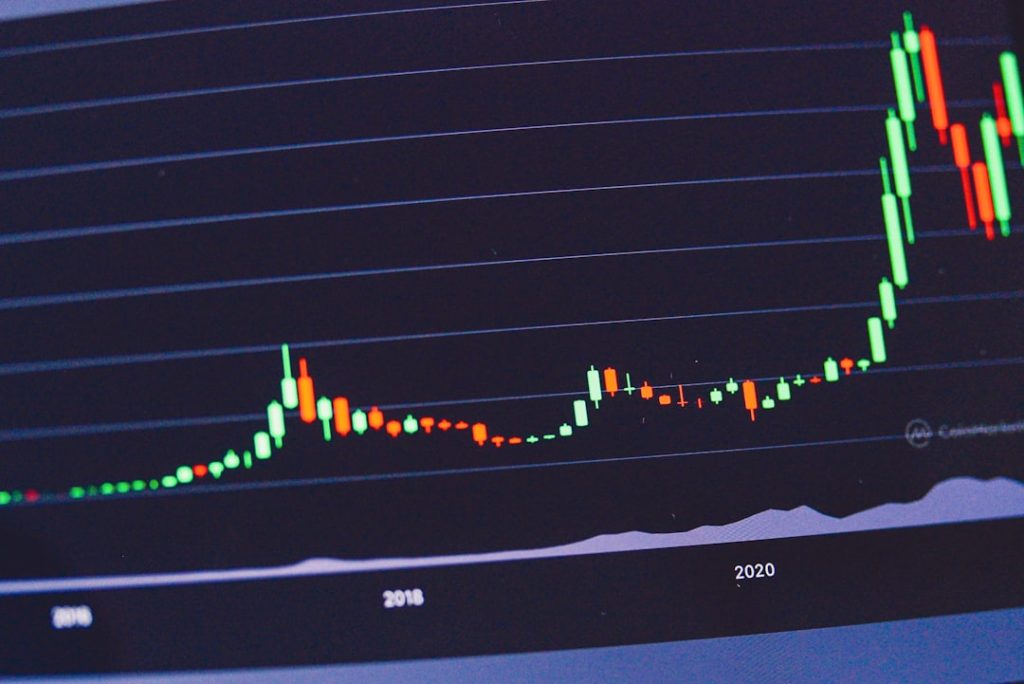
The global transition to clean energy technologies has triggered an unprecedented rare earth demand spike that’s creating extraordinary investment opportunities across critical minerals markets. As electric vehicles, wind turbines, and advanced electronics proliferate worldwide, the strategic importance of these essential elements has never been more pronounced, fundamentally reshaping how investors approach this specialized sector.
This surge in demand isn’t merely cyclical—it represents a structural shift that’s expected to persist for decades. Understanding the investment landscape within this rare earth demand spike requires careful analysis of supply chain vulnerabilities, geopolitical dynamics, and emerging technologies that could define the next generation of wealth creation.
Understanding the Drivers Behind Today’s Rare Earth Demand Spike
The current rare earth demand spike stems from multiple converging factors that have created a perfect storm of opportunity. Electric vehicle production alone requires approximately six times more critical minerals than conventional automobiles, with each EV containing roughly 200 pounds of various rare earth elements including neodymium, dysprosium, and terbium for high-performance magnets.
Wind energy infrastructure represents another massive demand driver, as a single offshore wind turbine can contain over 4,000 pounds of rare earth materials. The global push toward renewable energy targets has accelerated deployment schedules, intensifying competition for limited supplies of these critical elements.
Defense applications further compound demand pressures, with advanced weapon systems, satellite technology, and communication equipment requiring specialized rare earth compounds. These military applications often command premium pricing due to stringent purity requirements and security considerations, creating additional market dynamics that savvy investors can leverage.
Supply Chain Vulnerabilities Creating Investment Opportunities
The rare earth demand spike has exposed critical vulnerabilities in global supply chains that create compelling investment opportunities. Currently, over 80% of rare earth processing occurs in a single country, creating significant geopolitical risks that governments and corporations are actively working to mitigate through diversification initiatives.
This concentration risk has sparked massive investment programs in alternative processing facilities, mining operations, and recycling technologies across North America, Europe, and Australia. Government support through subsidies, tax incentives, and strategic partnerships is accelerating development timelines and reducing investment risks for early participants.
Emerging recycling technologies present particularly attractive opportunities, as they can recover valuable rare earth elements from electronic waste with lower environmental impact than traditional mining. Companies developing efficient recycling processes are positioning themselves to capture significant market share as circular economy principles gain traction.
Strategic Investment Approaches in Critical Minerals Markets
Navigating investment opportunities within the rare earth demand spike requires understanding different exposure levels and risk profiles. Direct mining investments offer the highest potential returns but carry significant operational and regulatory risks, particularly for early-stage exploration companies.
Processing and refining operations provide more stable cash flows once operational, as they benefit from long-term supply contracts and established customer relationships. These mid-stream investments often feature lower volatility while still capturing upside from the rare earth demand spike.
Technology companies developing separation techniques, recycling processes, or alternative materials present growth opportunities with potentially lower capital requirements. These investments can benefit from intellectual property protection and licensing revenue streams that scale efficiently.
Exchange-traded funds focused on critical minerals provide diversified exposure while reducing single-company risks. These vehicles have gained popularity as institutional investors seek broad participation in the rare earth demand spike without extensive due diligence requirements.
Future Outlook and Market Dynamics
The trajectory of the rare earth demand spike suggests sustained growth opportunities extending well into the next decade. Emerging technologies including quantum computing, advanced robotics, and next-generation energy storage systems will likely create entirely new demand categories for specialized rare earth compounds.
Price volatility remains a defining characteristic of rare earth markets, creating both risks and opportunities for active investors. Supply disruptions, policy changes, or technological breakthroughs can trigger rapid price movements that reward well-positioned market participants.
Environmental considerations are increasingly influencing investment decisions, as sustainable extraction and processing methods gain preference among institutional investors. Companies demonstrating environmental leadership may command valuation premiums as ESG criteria become more prominent in investment mandates.
The ongoing rare earth demand spike represents more than a short-term commodity cycle—it’s a fundamental realignment of global materials flows that will define technological advancement for generations. Investors who understand the complex interplay between supply constraints, technological innovation, and geopolitical dynamics are positioning themselves to capitalize on one of the most significant resource trends of our time. Success in this space requires careful analysis, diversified approaches, and recognition that the transition to a clean energy economy will continue driving unprecedented demand for these critical materials.
