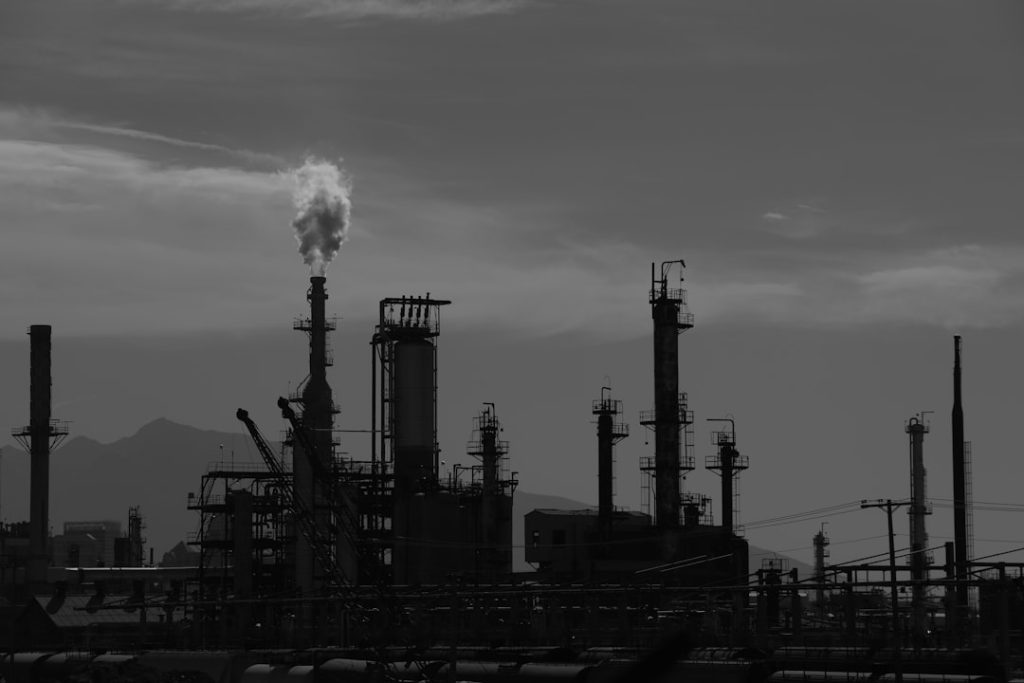
The global lithium market stands at an unprecedented inflection point, where soaring demand for electric vehicles and energy storage systems has exposed critical bottlenecks in processing infrastructure. While lithium reserves appear abundant, the real constraint lies in the sophisticated refinery capacity build required to transform raw materials into battery-grade compounds. This infrastructure gap has become the defining challenge of the energy transition, creating both significant investment opportunities and supply chain vulnerabilities that ripple across multiple industries.
Raw lithium extraction represents only the first step in a complex value chain that demands substantial processing capabilities. The journey from lithium-bearing brine or hard rock to battery-grade lithium carbonate or lithium hydroxide requires specialized facilities equipped with advanced purification technologies. Current global refinery capacity build initiatives are struggling to keep pace with projected demand growth, which analysts expect to increase six-fold by the early 2030s. This mismatch has prompted governments and private investors to accelerate funding for new processing facilities, particularly in regions seeking to establish domestic supply chain security.
China currently dominates the lithium processing landscape, controlling approximately 70% of global refinery capacity. However, recent geopolitical tensions and supply chain disruptions have motivated other regions to pursue aggressive refinery capacity build strategies. The United States has announced multiple initiatives to establish domestic lithium processing capabilities, including substantial federal funding through the Inflation Reduction Act and Defense Production Act provisions. European Union member states have similarly launched ambitious programs to develop local refinery infrastructure, recognizing that battery supply chain independence requires more than just access to raw materials.
The technical complexity of lithium refinery capacity build cannot be understated. These facilities must achieve purity levels exceeding 99.5% for battery applications while managing environmental considerations and waste streams. Modern processing plants incorporate sophisticated hydrometallurgical processes, including precipitation, crystallization, and ion exchange systems that demand significant capital investment and technical expertise. Construction timelines for new facilities typically span three to five years, creating additional pressure on an already constrained market where immediate capacity expansion is desperately needed.
Investment flows into refinery capacity build projects have accelerated dramatically, with private equity, sovereign wealth funds, and strategic corporate investors committing billions to new processing infrastructure. Major mining companies are increasingly pursuing vertical integration strategies, moving beyond raw material extraction to develop their own processing capabilities. This trend reflects growing recognition that refinery capacity build represents a potentially more profitable and strategically valuable position within the lithium value chain compared to upstream mining operations alone.
Regional dynamics are reshaping the global refinery capacity build landscape in profound ways. Australia, despite being a leading lithium producer, has historically exported raw materials to China for processing. Recent policy initiatives and private investment commitments signal a shift toward domestic value-added processing, with several large-scale refinery projects advancing through permitting and construction phases. South America’s lithium triangle countries are similarly exploring refinery capacity build opportunities, recognizing the economic benefits of processing domestically rather than exporting raw brines or concentrates.
Environmental and regulatory considerations increasingly influence refinery capacity build decisions and timelines. Modern facilities must incorporate stringent environmental controls, water management systems, and waste minimization technologies that add complexity and cost but are essential for social license and regulatory approval. Some regions have implemented preferential policies for refinery capacity build projects that demonstrate superior environmental performance or utilize renewable energy sources, creating additional competitive dynamics within the processing sector.
The quality specifications for battery-grade lithium compounds continue to evolve as cathode technologies advance, requiring refinery capacity build projects to incorporate flexibility for future product variations. Next-generation battery chemistries may demand different lithium compound specifications, necessitating processing facilities capable of producing multiple product grades or adapting to changing market requirements. This technical evolution adds another layer of complexity to refinery capacity build planning and investment decisions.
Looking ahead, the refinery capacity build race will likely intensify as automakers and battery manufacturers seek to secure long-term supply agreements directly with processing facilities. These offtake agreements provide crucial financing support for new refinery projects while offering buyers greater supply chain visibility and pricing stability. The companies and regions that successfully execute refinery capacity build strategies will gain significant competitive advantages in the global energy transition, while those that lag risk becoming dependent on foreign processing capabilities for critical materials essential to their economic and strategic interests.