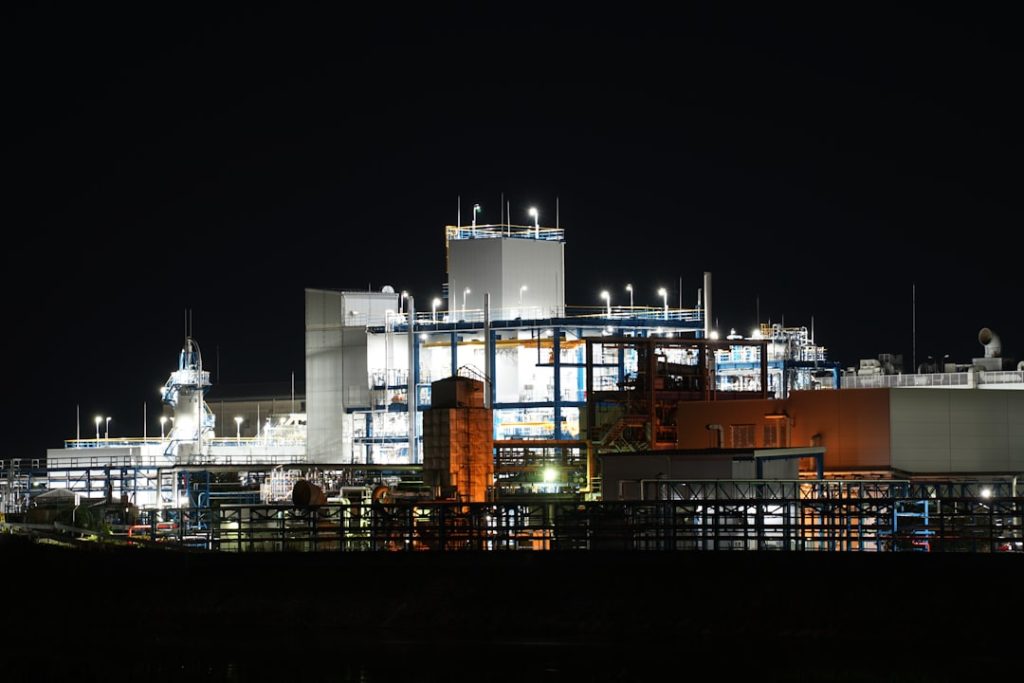
The global lithium industry stands at a critical juncture as an unprecedented wave of refinery capacity build projects transforms the fundamental dynamics of supply and demand. With electric vehicle adoption accelerating and battery storage requirements soaring, the race to establish processing capabilities has intensified beyond anything the industry has previously witnessed. This expansion isn’t merely about meeting current demand—it’s reshaping geopolitical power structures, altering pricing mechanisms, and creating new competitive advantages that will define the lithium market for decades to come.
Regional Competition Drives Massive Processing Investments
The current refinery capacity build surge reflects a strategic shift from resource extraction to processing dominance. China’s historical control over lithium refining—processing approximately 65% of global lithium hydroxide and carbonate—has prompted Western nations and emerging economies to fast-track their own facilities. Australia’s recent commitment to processing 200,000 tonnes annually by 2028 represents a dramatic departure from its traditional role as a raw material exporter. Similarly, North American refinery capacity build initiatives have allocated over $8 billion in investments across the United States and Canada, with facilities in Nevada, North Carolina, and Quebec leading the charge.
This geographic diversification of processing capabilities is fundamentally altering supply chain resilience. Companies previously dependent on single-source processing are now securing long-term agreements with multiple regional refineries, creating a more distributed but complex logistics network. The implications extend beyond mere supply security—regional processing capabilities are becoming national strategic assets, with governments offering substantial subsidies and tax incentives to accelerate refinery capacity build timelines.
Technology Advances Accelerate Processing Efficiency
Modern refinery capacity build projects incorporate breakthrough technologies that dramatically improve yield rates and reduce environmental impact. Direct lithium extraction (DLE) methods, now integrated into approximately 40% of new facilities, can process brine resources 90% faster than traditional evaporation ponds while using significantly less water. These technological leaps mean that newer refineries can achieve higher purity levels—critical for battery-grade lithium—while maintaining lower operational costs than legacy facilities.
The integration of artificial intelligence and automated systems in refinery capacity build projects has also enhanced precision and consistency. Advanced monitoring systems can detect impurities at parts-per-million levels, ensuring that processed lithium meets increasingly stringent battery manufacturer specifications. This technological sophistication has attracted major automotive companies to invest directly in refinery operations, with Tesla, Ford, and GM collectively committing over $3.2 billion to secure dedicated processing capacity through joint ventures and strategic partnerships.
Market Dynamics Shift as Supply Capacity Expands
The aggressive refinery capacity build trend is creating significant shifts in lithium pricing and market dynamics. Industry analysts project that global processing capacity will increase by 185% between 2024 and 2028, potentially creating temporary oversupply conditions in certain market segments. This capacity expansion is already influencing contract structures, with battery manufacturers negotiating longer-term agreements at predetermined prices to secure supply while potentially benefiting from increased competition among processors.
However, the relationship between refinery capacity build and market pricing isn’t straightforward. While increased processing capability should theoretically reduce costs, the capital-intensive nature of modern refineries—averaging $400-600 million per facility—means operators require sustained high-volume throughput to achieve profitability. This dynamic has led to vertical integration strategies, where mining companies are developing their own processing capabilities, and battery manufacturers are investing upstream to control their supply chains more effectively.
Environmental and Regulatory Factors Shape Development Patterns
Environmental considerations are increasingly influencing refinery capacity build decisions and operational parameters. New facilities must comply with stricter emissions standards and water usage regulations, particularly in water-scarce regions where lithium extraction traditionally occurs. The latest generation of refineries incorporates closed-loop water systems and renewable energy sources, with solar and wind power now supplying over 30% of energy requirements for newly constructed facilities.
Regulatory frameworks are also evolving to address the rapid refinery capacity build expansion. The European Union’s Critical Raw Materials Act and the United States’ Inflation Reduction Act both include provisions that favor domestically processed lithium, creating additional incentives for regional capacity development. These policies are accelerating investment timelines but also creating compliance complexities that smaller operators struggle to navigate, potentially consolidating the industry around larger, better-capitalized players.
The current refinery capacity build wave represents more than industrial expansion—it’s a fundamental restructuring of global lithium supply chains that will determine competitive advantages for decades. As processing capabilities become more geographically distributed and technologically sophisticated, the industry is transitioning from a resource-constrained market to one where processing efficiency and strategic positioning drive success. Companies and countries that successfully navigate this transformation will control critical components of the clean energy transition, while those that lag risk losing relevance in an increasingly competitive and technologically demanding market landscape.