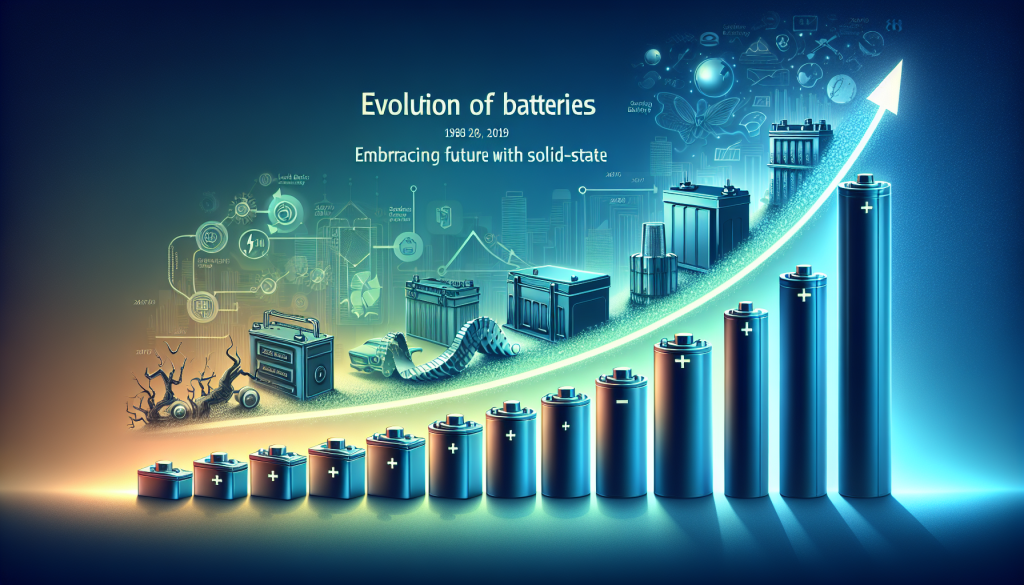
The global energy sector stands at a pivotal moment as solid-state battery technology finally delivers on decades of promises. Recent breakthroughs in manufacturing scalability and cost reduction have transformed what was once a laboratory curiosity into a commercially viable solution that’s reshaping industries from automotive to renewable energy storage.
Unlike conventional lithium-ion batteries that rely on liquid electrolytes, solid-state batteries use solid electrolytes to conduct ions between electrodes. This fundamental design change eliminates many safety risks associated with traditional batteries while dramatically improving performance metrics. The solid-state battery advance has overcome previous obstacles related to manufacturing complexity and material costs, making mass production feasible for the first time.
The automotive industry has emerged as the primary catalyst driving this technological revolution. Major manufacturers are integrating solid-state batteries into their electric vehicle platforms, achieving energy densities exceeding 400 Wh/kg compared to 250 Wh/kg in conventional lithium-ion systems. This improvement translates directly into extended driving ranges, with some vehicles now achieving over 600 miles on a single charge. Equally impressive is the charging speed enhancement, with solid-state systems capable of reaching 80% capacity in under 10 minutes.
Safety improvements represent another crucial advantage fueling widespread adoption. Traditional lithium-ion batteries contain flammable liquid electrolytes that can cause thermal runaway events, leading to fires or explosions. The solid-state battery advance eliminates this risk entirely through its solid electrolyte design, which remains stable even under extreme conditions. This enhanced safety profile has accelerated regulatory approvals and consumer acceptance across multiple markets.
Grid-Scale Applications Drive Market Expansion
Beyond transportation, solid-state batteries are revolutionizing utility-scale energy storage systems. Grid operators worldwide are deploying these advanced battery systems to store renewable energy from solar and wind installations. The superior cycle life of solid-state batteries – often exceeding 10,000 charge-discharge cycles – makes them economically attractive for grid applications where long-term reliability is paramount.
The solid-state battery advance has also enabled more efficient load balancing and peak shaving strategies. Utility companies can now store excess renewable energy during low-demand periods and release it during peak consumption hours with minimal energy loss. This capability is particularly valuable as electrical grids incorporate higher percentages of intermittent renewable sources.
Manufacturing scalability continues to improve as production facilities worldwide expand capacity. Recent innovations in solid electrolyte synthesis have reduced material costs by approximately 60% compared to early production methods. Advanced manufacturing techniques, including dry coating processes and automated assembly lines, have further streamlined production while maintaining quality standards.
The economic impact extends beyond direct applications into supply chain transformation. Countries rich in lithium, cobalt, and other battery materials are experiencing increased investment and infrastructure development. Simultaneously, recycling technologies for solid-state batteries are advancing, creating closed-loop systems that reduce dependence on raw material extraction.
Performance Metrics Validate Commercial Viability
Real-world performance data validates the theoretical advantages of solid-state technology. Field tests across various climatic conditions demonstrate consistent performance from -40°C to 85°C, significantly broader than conventional battery operating ranges. This temperature stability eliminates the need for complex thermal management systems, reducing overall system costs and complexity.
The solid-state battery advance has also addressed longevity concerns that plagued earlier iterations. Current generation solid-state batteries retain over 90% of their original capacity after 5,000 cycles, far exceeding the 80% retention typical in lithium-ion systems after 2,000 cycles. This durability improvement significantly reduces total cost of ownership across all applications.
Energy density improvements continue accelerating as researchers optimize electrode materials and cell architectures. Laboratory prototypes are achieving energy densities approaching 500 Wh/kg, suggesting even greater performance gains in future commercial products. These advances position solid-state batteries as the definitive solution for applications requiring maximum energy storage in minimal space and weight.
The convergence of improved manufacturing economics, proven performance benefits, and expanding production capacity positions solid-state battery technology as a transformative force across the global energy landscape. As adoption accelerates across automotive, grid storage, and consumer electronics markets, this solid-state battery advance represents not merely an incremental improvement, but a fundamental shift toward safer, more efficient, and more sustainable energy storage solutions that will define the next generation of electrified systems worldwide.