The electric vehicle revolution has reached a tipping point that’s fundamentally altering the global energy landscape. What began as a niche market for environmentally conscious consumers has evolved into a mainstream phenomenon driving unprecedented changes across power grids, renewable energy investments, and traditional fossil fuel industries. The momentum behind this transformation is accelerating at a pace that’s surprising even the most optimistic forecasters.
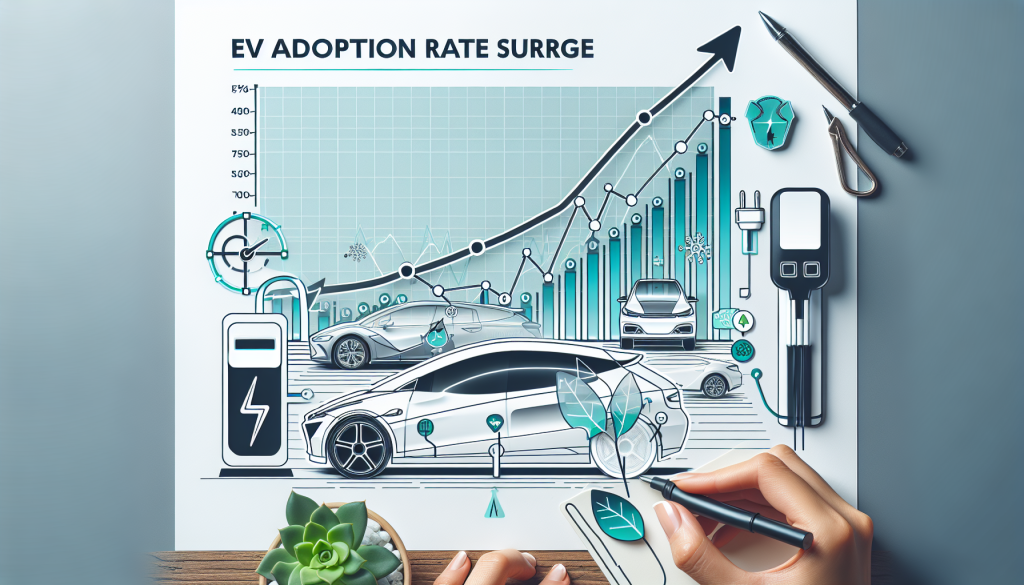
The numbers tell a compelling story of transformation. Global electric vehicle sales have crossed the 15 million unit threshold annually, representing nearly 22% of all new vehicle purchases worldwide. This EV adoption rate surge represents a dramatic acceleration from just 3% market share five years ago, demonstrating how quickly consumer preferences can shift when technology, economics, and policy align. China continues to lead with over 40% of new vehicle sales being electric, while Europe maintains strong momentum at 35%, and North America has finally broken through the 15% barrier.
This rapid electrification of transportation is creating ripple effects throughout the energy sector that extend far beyond charging infrastructure. Electric utilities are scrambling to adapt their generation portfolios and grid management systems to accommodate millions of new mobile batteries that could potentially store and discharge electricity back to the grid. Vehicle-to-grid technology, once a theoretical concept, is now being deployed commercially in several markets, effectively turning every electric vehicle into a distributed energy storage asset.
The EV adoption rate surge is simultaneously driving unprecedented demand for renewable energy generation. Corporate fleet operators and individual consumers alike are increasingly pairing their vehicle purchases with solar panel installations and home battery systems, creating integrated energy ecosystems that reduce reliance on traditional grid electricity. This coupling effect is accelerating renewable energy deployment beyond what climate policies alone could achieve, as consumers directly connect their transportation choices with their energy consumption patterns.
Traditional oil companies are responding to this shift with massive capital reallocation strategies. Several major petroleum corporations have announced plans to reduce upstream oil investments by 30-40% over the next decade while simultaneously increasing their renewable energy and charging infrastructure portfolios. This strategic pivot represents one of the most significant industrial transformations in modern history, as companies that built their empires on fossil fuel extraction now position themselves as comprehensive energy providers.
The semiconductor and battery industries have emerged as critical bottlenecks and enablers of continued growth. Advanced battery chemistries are delivering energy densities that make electric vehicles increasingly competitive with conventional cars on both performance and cost metrics. Lithium iron phosphate batteries, once considered inferior, are now providing 400+ mile ranges at price points that undercut traditional vehicles when total cost of ownership is considered. Meanwhile, solid-state battery technologies promise even greater improvements in the coming years.
Grid operators worldwide are implementing sophisticated demand response programs that leverage the flexible charging patterns of electric vehicles to balance renewable energy intermittency. Smart charging algorithms can shift vehicle charging to periods of high solar or wind generation, effectively using transportation electrification to solve one of renewable energy’s biggest challenges. This symbiotic relationship between EVs and renewables creates a positive feedback loop that accelerates both technologies simultaneously.
The geopolitical implications of this EV adoption rate surge are reshaping international trade relationships and strategic resource priorities. Countries rich in lithium, cobalt, and rare earth minerals are experiencing economic booms, while traditional oil exporters are diversifying their economies at breakneck speed. The shift is also driving massive investments in domestic manufacturing capabilities as nations seek energy security through transportation electrification rather than continued dependence on volatile petroleum markets.
Looking ahead, the trajectory appears poised for continued acceleration rather than gradual adoption. Falling battery costs, expanding charging networks, and increasingly stringent emissions regulations are creating market conditions where electric vehicles will soon become the obvious choice for most consumers. This transition represents more than a simple technology substitution—it’s catalyzing a fundamental restructuring of how societies generate, store, distribute, and consume energy. The EV adoption rate surge isn’t just changing transportation; it’s becoming the primary driver of the broader energy transition that will define the next decade of global economic development.