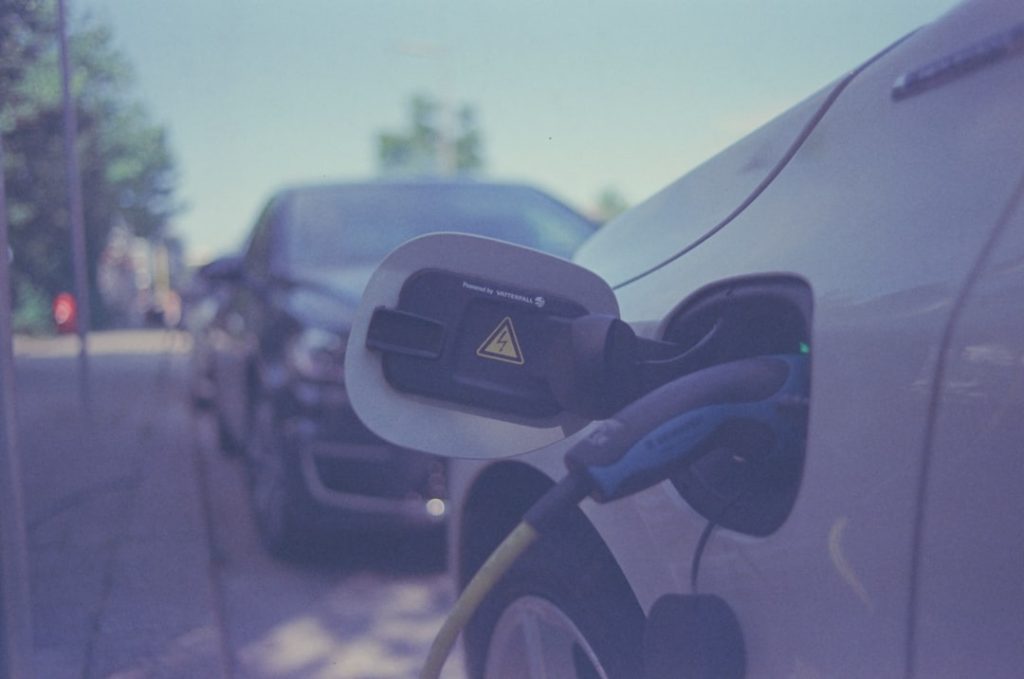
The transportation revolution unfolding across continents represents more than just a shift from gasoline to electricity—it’s fundamentally rewiring how entire nations generate, distribute, and consume power. As electric vehicles transition from niche technology to mainstream transportation, the ripple effects are transforming energy markets, utility operations, and government policy frameworks worldwide.
This transformation extends far beyond individual consumer choices. The EV adoption rate surge is creating unprecedented demand patterns that challenge traditional energy infrastructure while simultaneously accelerating the deployment of renewable energy sources. Power grids designed for predictable consumption cycles now face dynamic charging loads that can spike dramatically during peak hours, forcing utilities to rethink everything from generation capacity to smart grid technologies.
Grid Infrastructure Undergoes Massive Modernization
Power utilities worldwide are investing billions in grid modernization projects specifically designed to handle the electrical demands of widespread EV adoption. The EV adoption rate surge has exposed critical weaknesses in aging electrical infrastructure, particularly in urban areas where apartment complexes and commercial districts require extensive charging networks.
Distribution transformers, the workhorses of local electrical grids, are experiencing unprecedented stress as multiple EVs charge simultaneously in residential neighborhoods. Utility companies report that transformer failures have increased by 40% in areas with high EV concentrations, prompting accelerated replacement programs and the deployment of smart transformers capable of managing variable loads more effectively.
Smart charging systems have emerged as essential tools for managing this increased demand. These systems automatically adjust charging rates based on grid capacity, electricity prices, and renewable energy availability. California’s Pacific Gas & Electric reports that smart charging programs have reduced peak-hour EV charging by 35%, demonstrating how technology can smooth the integration of electric transportation into existing infrastructure.
Renewable Energy Deployment Accelerates Dramatically
The surge in EV adoption is creating a powerful catalyst for renewable energy expansion. As transportation electrification increases overall electricity demand, utilities and governments are prioritizing clean energy sources to avoid simply transferring emissions from tailpipes to power plant smokestacks.
Solar and wind installations are experiencing unprecedented growth rates, with many projects specifically designed to support EV charging infrastructure. Corporate fleet operators, recognizing the long-term cost advantages, are investing in dedicated solar installations that can power their electric vehicle fleets while reducing operational expenses by up to 60% compared to grid electricity.
Battery storage systems are becoming integral components of this renewable energy expansion. Large-scale battery installations help balance the intermittent nature of solar and wind power while providing the rapid response capabilities needed for EV charging. Tesla’s Megapack installations and similar utility-scale storage systems are increasingly deployed alongside EV charging stations, creating resilient energy ecosystems that can operate independently during grid outages.
Energy Trading Markets Adapt to New Demand Patterns
Traditional energy markets, built around predictable industrial and residential consumption patterns, are evolving rapidly to accommodate the unique characteristics of EV charging demand. The EV adoption rate surge has introduced new variables that energy traders and grid operators must factor into their planning and pricing models.
Time-of-use electricity pricing has become more sophisticated, with some regions implementing real-time pricing that reflects actual supply and demand conditions. This dynamic pricing encourages EV owners to charge during periods of high renewable energy generation and low overall demand, creating a more efficient and sustainable energy ecosystem.
Vehicle-to-grid (V2G) technology is beginning to transform EVs from simple energy consumers into distributed energy resources. When properly equipped, electric vehicles can discharge stored energy back into the grid during peak demand periods, essentially functioning as mobile power plants. Early V2G pilot programs in Europe and Asia demonstrate that fleets of connected EVs can provide valuable grid stability services while generating revenue for vehicle owners.
Industrial Energy Consumption Patterns Shift Substantially
Manufacturing industries are adapting their operations to align with the changing energy landscape driven by EV adoption. Automotive manufacturers have become major consumers of renewable energy, with companies like Ford and General Motors committing to carbon-neutral manufacturing processes that rely heavily on solar and wind power.
The mining and refining industries supporting EV battery production are experiencing dramatic changes in energy consumption patterns. Lithium processing facilities, copper refineries, and rare earth element extraction operations are increasingly locating near abundant renewable energy sources to reduce production costs and environmental impact. This geographic shift is creating new industrial centers in regions with optimal solar and wind resources.
Supply chain logistics are also adapting to support the EV adoption rate surge. Shipping companies are investing in electric truck fleets and installing high-capacity charging infrastructure at distribution centers. Amazon’s commitment to electrifying its delivery fleet has driven the development of charging solutions specifically designed for commercial logistics operations, influencing energy consumption patterns at thousands of facilities worldwide.
The transformation of the global energy landscape through widespread EV adoption represents one of the most significant shifts in energy systems since the electrification of cities over a century ago. As electric vehicles continue their rapid market penetration, the symbiotic relationship between transportation electrification and renewable energy deployment will accelerate the transition toward a more sustainable and resilient energy future. This ongoing revolution demands continued innovation in grid technologies, energy storage, and smart charging systems to fully realize the environmental and economic benefits of electric transportation while maintaining reliable power systems for all consumers.