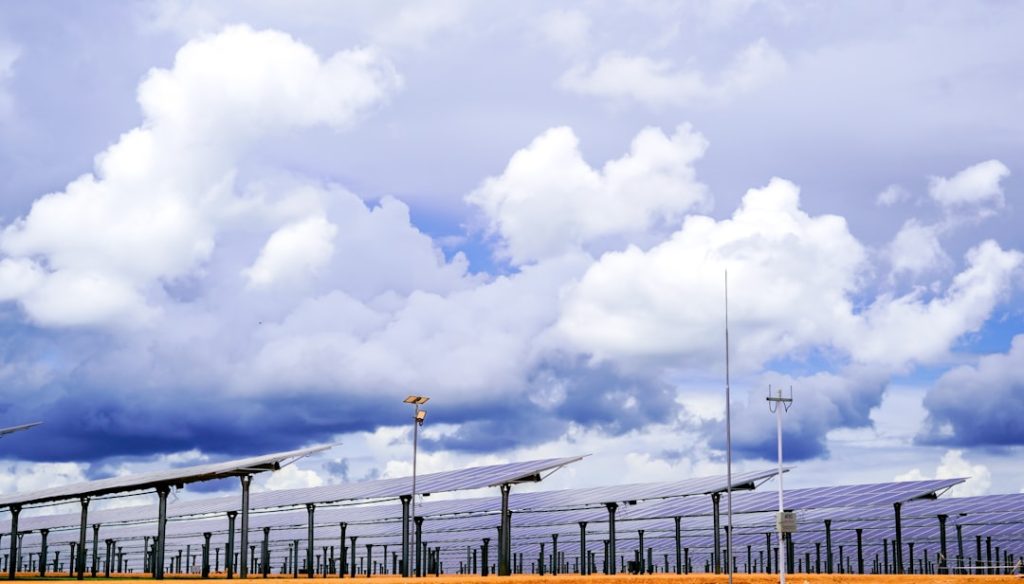
The world’s energy markets are experiencing their most dramatic transformation since the dawn of the industrial age. What began as environmental necessity has evolved into an economic revolution that’s redefining how nations power their economies, create jobs, and compete on the global stage. The clean energy transition isn’t just changing how we generate electricity—it’s fundamentally altering the geopolitical and economic landscape in ways that seemed impossible just two decades ago.
From solar farms stretching across former coal mining regions to massive offshore wind installations powering entire nations, the shift toward renewable energy sources has reached a tipping point where economics, not just environmental concerns, drive decision-making. This transformation is creating winners and losers across continents, reshaping supply chains, and forcing governments to reconsider their strategic energy policies.
Investment Capital Floods Into Renewable Energy Infrastructure
The financial markets have spoken decisively about the clean energy transition, with global investments reaching unprecedented levels. Recent data shows renewable energy projects attracted over $2.8 trillion in capital commitments, representing a 400% increase compared to investment levels from a decade earlier. This massive capital reallocation reflects investor confidence in the long-term profitability and sustainability of clean energy technologies.
Private equity firms, sovereign wealth funds, and institutional investors are competing fiercely for stakes in wind, solar, and energy storage projects. The shift has created entirely new asset classes, with green bonds now representing one of the fastest-growing segments in fixed-income markets. Major financial institutions have begun divesting from fossil fuel projects, not primarily due to environmental pressure, but because renewable energy offers superior risk-adjusted returns and more predictable cash flows over project lifespans.
Technology Costs Plummet While Efficiency Soars
The economics driving the clean energy transition have improved dramatically as technological advancement accelerated. Solar panel costs have dropped by more than 85% over the past fifteen years, while wind turbine efficiency has increased substantially through larger rotors and advanced materials. Battery storage costs have fallen even more precipitously, making renewable energy viable for baseload power generation.
Manufacturing scale has created positive feedback loops, where increased production volumes drive down costs, which in turn stimulate greater demand and further cost reductions. China’s dominance in solar panel manufacturing exemplifies this dynamic, as massive production facilities have achieved economies of scale that make solar the cheapest form of electricity generation in most global markets. Similarly, advances in grid-scale battery technology have solved the intermittency challenges that previously limited renewable energy adoption.
Employment Markets Transform Across Traditional Energy Sectors
The clean energy transition is creating profound changes in global employment patterns, generating millions of new jobs while displacing workers in traditional fossil fuel industries. Solar and wind technicians now represent some of the fastest-growing occupations, with job growth rates exceeding 50% annually in many developed economies. These positions often offer competitive wages and require skill sets that overlap significantly with traditional energy sector jobs.
Regions historically dependent on coal mining or oil extraction are experiencing economic diversification as renewable energy projects locate in areas with optimal wind or solar resources. Former coal mining communities in Appalachia have become sites for large-scale solar installations, while offshore oil workers are transitioning to offshore wind farm construction and maintenance. Government retraining programs and private sector initiatives are facilitating these workforce transitions, though challenges remain in ensuring displaced workers can access new opportunities.
Geopolitical Power Dynamics Shift Away From Fossil Fuel Exporters
The clean energy transition is fundamentally altering global geopolitical relationships by reducing the strategic importance of fossil fuel resources. Countries with abundant renewable energy potential—whether through consistent sunlight, strong winds, or suitable geography for hydroelectric power—are gaining economic and political influence. Nations like Denmark, which generates more electricity from wind than it consumes domestically, have become energy exporters and technology leaders.
Traditional oil and gas exporting nations are adapting their strategies, with some investing heavily in renewable energy manufacturing and deployment. The United Arab Emirates has positioned itself as a solar energy hub, while Norway leverages its offshore engineering expertise for wind farm development. However, countries unable to diversify their energy economies face potential economic instability as global demand for fossil fuels gradually declines.
The clean energy transition represents more than a shift in how societies generate power—it’s a fundamental restructuring of the global economy that will define competitive advantages for decades to come. Nations, companies, and investors that recognize and adapt to these changes early are positioning themselves to thrive in an energy landscape where sustainability and profitability have become inseparable. As this transformation accelerates, its effects will ripple through every sector of the global economy, making the clean energy transition one of the most significant economic phenomena of our time.