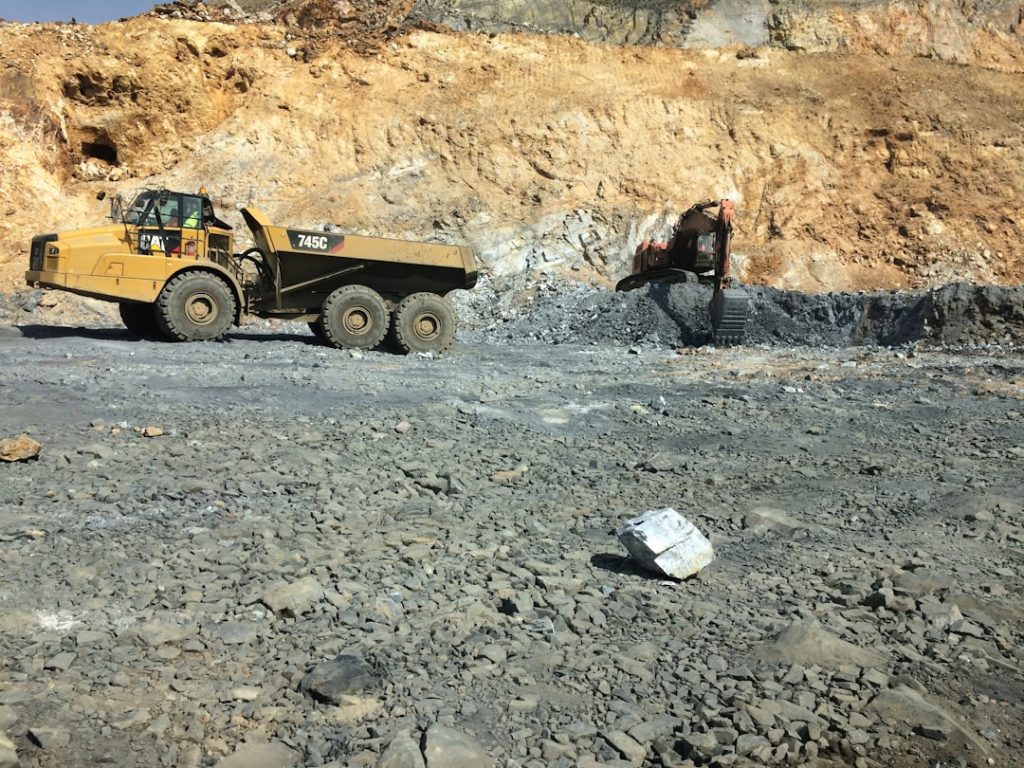
The mining industry stands at a technological crossroads, where traditional extraction methods meet cutting-edge innovation, and nowhere is this transformation more evident than in the evolving landscape of royalty financing. As global demand for critical minerals continues to surge, driven by renewable energy infrastructure and advanced manufacturing, mining companies are discovering that a well-structured mining royalty deal can provide the capital necessary to implement breakthrough technologies while sharing success with forward-thinking investors.
Modern mining operations are increasingly capital-intensive, requiring substantial upfront investments in automation, artificial intelligence, and sustainable extraction technologies. These innovations promise to revolutionize productivity and environmental impact, but they demand financing solutions that align with long-term operational goals. Royalty agreements have emerged as an ideal mechanism, allowing mining companies to secure funding without diluting equity ownership while giving investors exposure to the sector’s technological advancement.
The sophistication of today’s mining royalty deal structures reflects the complexity of modern mining operations. Unlike traditional royalty agreements that focused solely on production volumes, contemporary deals often incorporate technology milestones, environmental performance metrics, and operational efficiency targets. This evolution creates a more nuanced investment vehicle that rewards not just extraction success, but also innovation and sustainability achievements.
Technology integration has become a defining factor in royalty valuations. Companies deploying autonomous drilling systems, real-time ore grade analysis, and predictive maintenance algorithms are commanding premium terms in royalty negotiations. These technological capabilities translate directly into improved margins and reduced operational risks, making such operations attractive to royalty investors seeking stable, long-term returns.
The role of data analytics in modern mining cannot be overstated, and it’s reshaping how royalty deals are structured and valued. Advanced sensor networks generate massive datasets that enable precise resource modeling, optimized extraction planning, and predictive equipment maintenance. When incorporated into a mining royalty deal, this data transparency provides investors with unprecedented visibility into operational performance and future production potential.
Environmental and social governance considerations are increasingly central to royalty agreement negotiations. Mining companies implementing clean technology solutions, water recycling systems, and community engagement programs often secure more favorable royalty terms. This trend reflects broader investor preferences for sustainable operations and regulatory pressures demanding higher environmental standards across the extractive industries.
The geographic distribution of royalty investments is shifting as new mining frontiers emerge and established regions face infrastructure constraints. Emerging markets with rich mineral deposits but limited local capital are particularly attractive for international royalty investors. These cross-border mining royalty deal arrangements often include technology transfer provisions, creating additional value through knowledge sharing and operational expertise.
Risk management has evolved significantly in modern royalty structures, with sophisticated hedging mechanisms protecting both mining operators and investors from commodity price volatility. These financial instruments allow for more predictable cash flows while maintaining upside exposure to favorable market conditions. The integration of such mechanisms into royalty agreements demonstrates the maturation of this financing approach.
Digital transformation is accelerating throughout the mining sector, with blockchain technology, Internet of Things sensors, and machine learning algorithms becoming standard operational tools. Companies successfully implementing these technologies are finding that their mining royalty deal negotiations benefit from improved operational transparency and enhanced production predictability. Investors increasingly value the operational insights and risk mitigation that digital technologies provide.
The competitive landscape for mining royalties has intensified as institutional investors recognize the asset class’s potential for inflation protection and portfolio diversification. This increased competition has led to more favorable terms for mining operators while driving innovation in deal structuring. Hybrid arrangements combining traditional royalties with streaming agreements and equity components are becoming more common, offering flexibility for both parties.
Looking ahead, the convergence of technological advancement and sustainable mining practices will continue driving innovation in royalty deal structures. As the industry embraces automation, artificial intelligence, and renewable energy integration, these technological capabilities will become increasingly important factors in royalty valuations. The most successful mining royalty deal arrangements will be those that recognize and reward technological leadership while supporting the capital-intensive nature of modern mining operations. This evolution represents not just a financing trend, but a fundamental shift toward more sophisticated, technology-enabled approaches to resource extraction that benefit operators, investors, and communities alike.