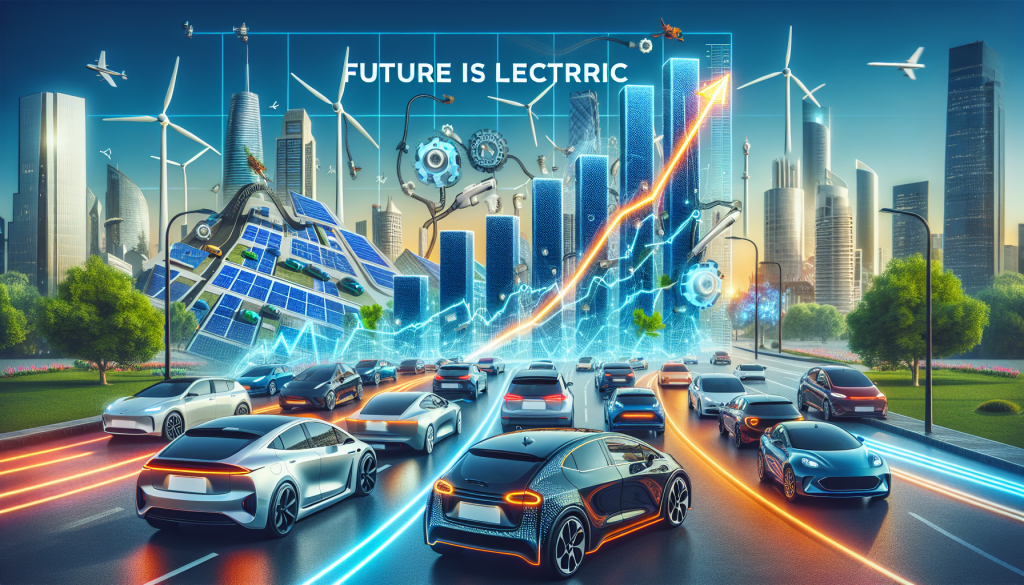
The global transportation landscape is experiencing a fundamental transformation as electric vehicle sales reach unprecedented heights. The current EV adoption rate surge represents more than just a shift in consumer preferences—it signals a complete restructuring of energy markets, supply chains, and investment flows that will define the next decade of clean technology growth.
Market data reveals that electric vehicle sales have accelerated beyond even the most optimistic projections from previous years. Norway leads the charge with over 85% of new car sales being electric, while major markets including China, the United States, and European Union countries are experiencing double-digit growth rates. This momentum stems from a convergence of factors: rapidly declining battery costs, expanded charging infrastructure, government incentives, and shifting consumer sentiment toward sustainable transportation options.
The automotive industry’s response to this EV adoption rate surge has been swift and comprehensive. Traditional manufacturers have committed over $500 billion in electric vehicle investments, while new entrants continue to disrupt established business models. Tesla’s market dominance faces increasing competition from legacy automakers like General Motors, Ford, and Volkswagen Group, each launching comprehensive electric lineups to capture market share in this expanding sector.
Infrastructure Investment Drives Market Expansion
The surge in electric vehicle adoption has created massive demand for supporting infrastructure, triggering unprecedented investment in charging networks and grid modernization projects. Public and private entities are deploying fast-charging stations at an accelerated pace, with networks expanding from urban centers to rural communities and along major transportation corridors.
Energy companies are repositioning themselves to capitalize on this transformation. Utilities are upgrading grid capacity and integrating renewable energy sources to meet increased electricity demand from transportation electrification. Meanwhile, oil and gas companies are diversifying their portfolios by investing in charging infrastructure and renewable energy projects, recognizing the long-term implications of the EV adoption rate surge on petroleum demand.
Battery technology improvements continue driving down costs while extending vehicle range, addressing two primary consumer concerns that previously limited electric vehicle appeal. Advanced lithium-ion batteries now offer over 400 miles of range in premium models, while more affordable options provide sufficient capacity for daily commuting needs. Research into solid-state batteries and alternative chemistries promises even greater performance improvements in the coming years.
Economic and Environmental Impact Analysis
The economic implications of this EV adoption rate surge extend far beyond the automotive sector. Supply chains for critical materials including lithium, cobalt, and rare earth elements are experiencing unprecedented demand, creating new geopolitical dynamics and investment opportunities in mining and processing operations. Countries with abundant mineral resources are leveraging their positions to attract battery manufacturing facilities and establish themselves as key players in the electric vehicle supply chain.
Environmental benefits from increased electric vehicle adoption are becoming measurable across regions with clean electricity grids. Lifecycle emissions analysis shows electric vehicles producing significantly lower carbon footprints than internal combustion engine vehicles in most markets, with the advantage growing as renewable energy generation expands. Air quality improvements in urban areas with high electric vehicle penetration rates demonstrate the immediate health benefits of transportation electrification.
Financial markets are responding to this transformation with increased valuations for clean technology companies and growing interest in sustainable transportation investments. Electric vehicle stocks have outperformed traditional automotive shares, while clean energy ETFs attract record capital inflows from institutional and retail investors seeking exposure to the electrification trend.
Looking ahead, the EV adoption rate surge shows no signs of slowing as technological improvements, cost reductions, and policy support continue driving market expansion. Industry analysts project electric vehicles will represent the majority of new car sales in major markets within the next five years, fundamentally altering energy consumption patterns and creating new opportunities across the clean technology ecosystem. This transformation represents one of the most significant industrial shifts in modern history, with implications that will resonate through global markets for decades to come.