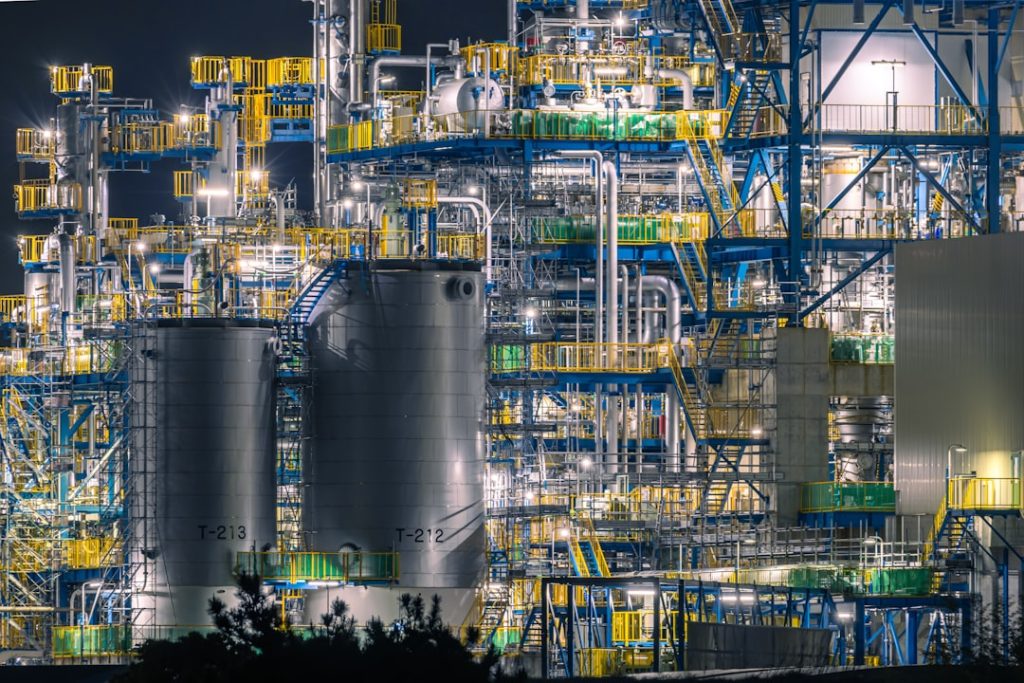
The global shift toward renewable energy and electric vehicles has created an unprecedented demand for refined critical minerals, presenting savvy investors with extraordinary opportunities in refinery capacity build projects. While raw material extraction often captures headlines, the real bottleneck—and investment goldmine—lies in the sophisticated processing facilities that transform ore into battery-grade materials essential for modern technology.
Lithium processing facilities exemplify this phenomenon perfectly. Despite abundant lithium reserves worldwide, only a handful of refineries possess the technical expertise to produce battery-grade lithium carbonate and hydroxide. This scarcity has created pricing premiums that can exceed 300% over raw material costs, making refinery capacity build initiatives some of the most lucrative infrastructure investments available today. Countries like Australia have recognized this opportunity, with major mining companies investing billions in downstream processing to capture value beyond simple extraction.
The rare earth elements sector presents even more compelling investment dynamics. China currently dominates global rare earth refining capacity, controlling approximately 87% of processing capabilities despite holding only 37% of known reserves. This concentration risk has prompted Western governments to offer substantial subsidies and tax incentives for domestic refinery capacity build projects. The U.S. Department of Defense has allocated significant funding through the Defense Production Act, while the European Union’s Critical Raw Materials Act provides streamlined permitting and financial support for strategic processing facilities.
Nickel and cobalt refineries represent another high-growth segment driven by electric vehicle battery demand. The technical complexity of producing battery-grade nickel sulfate requires sophisticated hydrometallurgical processes that command premium pricing. Indonesian companies have demonstrated remarkable success by integrating mining operations with refinery capacity build initiatives, creating vertically integrated supply chains that deliver superior margins. This model has attracted international partnerships with technology companies seeking secure supply agreements.
Environmental considerations increasingly favor modern refinery capacity build projects over older facilities. Next-generation processing technologies reduce waste streams by up to 40% while improving recovery rates, making new refineries both environmentally superior and economically advantageous. These efficiency gains translate directly to improved profitability and regulatory compliance, crucial factors as environmental standards tighten globally.
Geographic diversification within refinery capacity build strategies offers additional risk mitigation benefits. While traditional processing hubs like China face increasing geopolitical scrutiny, emerging locations such as Morocco for phosphates, Chile for lithium, and the Democratic Republic of Congo for cobalt present first-mover advantages for international investors. These markets often provide favorable regulatory frameworks, lower labor costs, and proximity to raw material sources that significantly enhance project economics.
The technology sector’s appetite for secure supply chains has created unique financing opportunities for refinery capacity build ventures. Major electronics manufacturers increasingly seek long-term offtake agreements that provide guaranteed revenue streams for new processing facilities. These contracts often include inflation adjustments and minimum volume commitments that substantially reduce investment risk while ensuring attractive returns.
Scale advantages in refinery capacity build projects cannot be overstated. Larger facilities benefit from economies of scale in equipment procurement, energy consumption, and operational efficiency. However, the optimal size varies significantly by mineral type and market dynamics. Lithium refineries often achieve maximum efficiency at 20,000-30,000 tons annual capacity, while rare earth processing facilities may require 50,000+ tons to reach competitive cost structures.
Joint venture structures have emerged as the preferred investment model for many refinery capacity build projects, combining mining companies’ resource expertise with technology partners’ processing knowledge and financial investors’ capital. These partnerships distribute risk while leveraging complementary strengths, often resulting in accelerated project timelines and reduced execution risk.
The current market environment presents a unique convergence of factors favoring refinery capacity build investments: surging demand from the energy transition, government policy support, limited existing capacity, and attractive financing conditions. Forward-thinking investors who recognize the strategic importance of processing infrastructure stand to benefit substantially from this transformational shift in the global minerals landscape. The question isn’t whether refinery capacity build opportunities will generate exceptional returns, but rather which investors will position themselves to capitalize on this generational opportunity in critical mineral processing infrastructure.