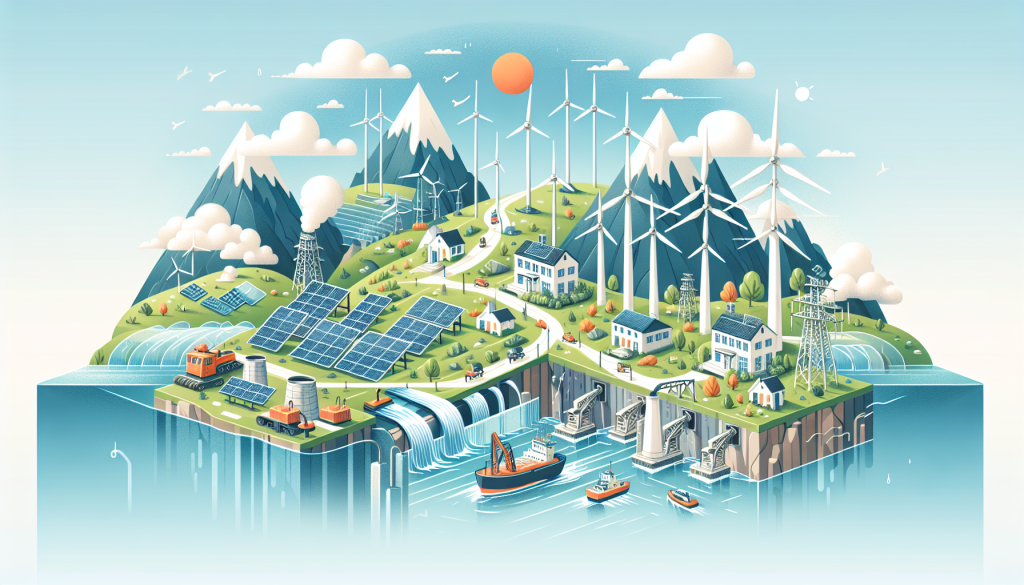
The global clean energy transition has reached an unprecedented inflection point, with investment flows surging to historic levels and fundamental shifts reshaping the entire energy landscape. What began as a climate-driven initiative has evolved into the most significant economic transformation since the industrial revolution, fundamentally altering how nations power their economies and businesses structure their operations.
Recent data reveals that global clean energy investments have reached $2.8 trillion annually, representing a 40% increase from just three years ago. This massive capital deployment spans renewable power generation, energy storage, grid infrastructure, and emerging technologies like green hydrogen production. The scale of this financial commitment reflects not just environmental imperatives, but the compelling economic case for clean energy systems that now deliver lower costs and superior returns compared to traditional fossil fuel investments.
Solar and wind power have emerged as the dominant forces driving the clean energy transition, with installation costs dropping by 85% and 70% respectively over the past decade. These dramatic cost reductions have created a self-reinforcing cycle where lower prices drive greater adoption, which in turn generates economies of scale that push costs even lower. Major corporations are responding by committing to renewable energy procurement at unprecedented scales, with corporate clean energy purchases exceeding 100 gigawatts of capacity under contract globally.
The energy storage revolution represents perhaps the most critical component enabling the clean energy transition to reach full scale. Advanced battery technologies, coupled with innovative grid management systems, are solving the intermittency challenges that previously limited renewable energy deployment. Storage costs have plummeted by 90% since 2010, making it economically viable to build renewable-plus-storage systems that can provide reliable baseload power around the clock.
Electric vehicle adoption serves as both a driver and beneficiary of the broader clean energy transition. EV sales have reached a tipping point in major markets, with electric models now achieving cost parity with internal combustion engines in many segments. This transportation electrification creates massive new demand for clean electricity while simultaneously reducing oil consumption, creating positive feedback loops that accelerate the overall energy transformation.
Emerging Technologies Reshape Market Dynamics
Green hydrogen production represents the next frontier in the clean energy transition, offering solutions for hard-to-decarbonize industrial processes and long-duration energy storage. Electrolyzer costs are declining rapidly as manufacturing scales up, making green hydrogen competitive with fossil fuel alternatives in an increasing number of applications. Major industrial companies are already committing to green hydrogen projects for steel production, chemical manufacturing, and heavy transportation applications.
Artificial intelligence and digital technologies are optimizing clean energy systems with remarkable effectiveness. Smart grid technologies enable better integration of distributed renewable resources, while AI-powered demand response systems help balance supply and demand in real-time. These digital solutions are reducing the total system costs of clean energy deployment while improving reliability and performance metrics across all applications.
Carbon capture and storage technologies are gaining significant momentum as companies seek to address emissions from existing infrastructure during the clean energy transition. Direct air capture projects are scaling up rapidly, with costs projected to fall below $100 per ton within the next few years. This technology creates new business models and revenue streams that further accelerate clean energy adoption.
Market Outlook and Investment Implications
The clean energy transition is creating entirely new industries while disrupting established sectors across the global economy. Mining companies are pivoting toward critical minerals needed for batteries and renewable energy systems. Utilities are transforming from centralized power generators into distributed energy service providers. Financial institutions are developing new investment products and risk assessment frameworks specifically designed for clean energy assets.
Policy support continues to strengthen the foundation for sustained growth in clean energy markets. Government incentives, regulatory frameworks, and international agreements provide long-term visibility that enables large-scale capital deployment. The recent strengthening of climate commitments by major economies ensures that clean energy demand will continue growing robustly for decades to come.
Supply chain considerations are becoming increasingly important as the clean energy transition scales globally. Manufacturing capacity for solar panels, wind turbines, batteries, and other critical components is expanding rapidly, but potential bottlenecks in raw materials and specialized manufacturing equipment require careful monitoring and strategic planning.
The momentum behind the clean energy transition has become virtually unstoppable, driven by compelling economics, technological breakthroughs, and supportive policy frameworks that align across multiple stakeholder groups. Investors who position themselves strategically within this massive market transformation stand to benefit from sustained growth trends that will define the global economy for generations to come. The question is no longer whether the clean energy transition will succeed, but rather how quickly it will reshape every aspect of our energy systems and create unprecedented opportunities for those who recognize its transformative potential.