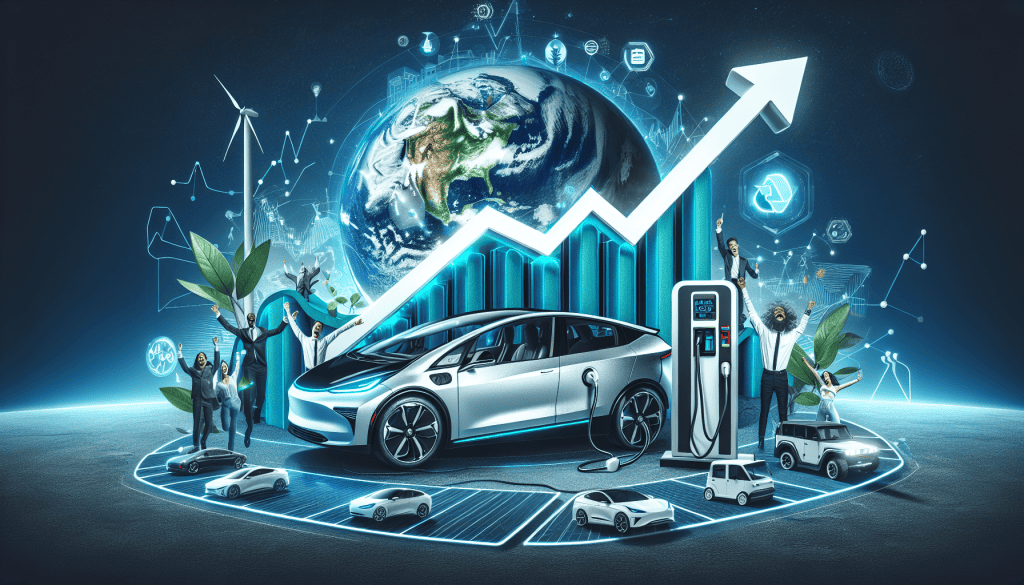
The global automotive landscape is experiencing an unprecedented transformation as electric vehicles move from niche market players to mainstream transportation solutions. This remarkable shift isn’t just changing how we drive—it’s fundamentally reshaping energy consumption patterns, grid infrastructure investments, and renewable energy deployment strategies across continents.
What makes this transition particularly striking is its accelerating pace. The EV adoption rate surge has exceeded even the most optimistic projections from industry analysts, creating ripple effects that extend far beyond automotive showrooms into utility boardrooms, government policy chambers, and investment portfolios worldwide.
Massive Grid Infrastructure Investments Drive Energy Sector Growth
The EV adoption rate surge has triggered the largest infrastructure modernization effort since the original power grid buildout. Utilities are investing hundreds of billions in smart grid technologies, charging networks, and load management systems to accommodate the dramatic shift in electricity demand patterns.
Traditional peak demand hours are shifting as millions of electric vehicles plug in during evening hours, creating new challenges for grid operators. This has accelerated investments in battery storage systems, with utility-scale storage capacity expanding by over 300% in the past three years. Major utilities are also upgrading transformers and distribution networks to handle the increased load, particularly in residential areas where home charging is concentrated.
Smart charging infrastructure is becoming the backbone of this transformation, with bi-directional charging capabilities allowing EVs to serve as mobile energy storage units. Vehicle-to-grid technology is enabling electric vehicles to feed power back into the system during peak demand periods, creating new revenue streams for EV owners while stabilizing grid operations.
Renewable Energy Deployment Accelerates to Meet Electric Vehicle Demand
The surge in electric vehicle adoption is creating unprecedented demand for clean electricity generation. Solar and wind installations are scaling rapidly as governments and corporations recognize that the environmental benefits of EVs depend entirely on clean power sources.
Corporate renewable energy procurement has reached record levels, driven largely by automakers and charging network operators seeking to power their operations with clean energy. Major automotive manufacturers are investing directly in solar and wind projects, with some building dedicated renewable energy facilities to support their EV production and charging infrastructure.
Energy storage deployment is accelerating alongside renewable installations, as utilities and grid operators need reliable backup power to manage the intermittent nature of wind and solar generation. The combination of increasing EV adoption and growing renewable energy capacity is creating a more resilient and sustainable energy ecosystem.
Traditional Energy Markets Face Fundamental Restructuring
The EV adoption rate surge is forcing traditional energy sectors to reimagine their business models and market strategies. Oil demand projections continue to be revised downward as transportation electrification accelerates, while electricity demand forecasts climb steadily upward.
Petroleum refineries are beginning to diversify into renewable fuels and chemicals production, recognizing that gasoline demand may have already peaked in several developed markets. Meanwhile, natural gas power plants are being repositioned as flexible backup resources to complement renewable energy and support grid stability during peak EV charging periods.
Energy trading markets are adapting to new demand patterns and pricing structures created by widespread electric vehicle adoption. Time-of-use electricity pricing is becoming more sophisticated, with some regions implementing dynamic pricing that responds to real-time grid conditions and renewable energy availability.
Global Investment Flows Redirect Toward Electrification Infrastructure
Capital markets are rapidly reallocating resources to support the electric vehicle ecosystem, with infrastructure funds leading massive investments in charging networks, grid modernization, and energy storage projects. Public and private investment in EV-related infrastructure has exceeded $500 billion globally, representing one of the largest coordinated infrastructure buildouts in modern history.
Government incentives and mandates are accelerating private investment flows, creating attractive returns for investors in charging infrastructure, renewable energy projects, and grid modernization technologies. Green bonds specifically targeting EV infrastructure have become increasingly popular among institutional investors seeking sustainable investment opportunities.
The semiconductor and battery supply chains are experiencing unprecedented investment as manufacturers scale production to meet surging demand. Critical mineral mining and processing facilities are being developed rapidly, though supply chain constraints remain a significant challenge for continued EV adoption growth.
The transformative impact of surging electric vehicle adoption extends far beyond the automotive industry, fundamentally reshaping global energy systems and investment priorities. As this transition continues accelerating, the convergence of electrified transportation, renewable energy deployment, and modernized grid infrastructure is creating the foundation for a more sustainable and resilient energy future. The companies, utilities, and governments that adapt most effectively to these changes will be best positioned to capitalize on the enormous economic opportunities this transformation presents.