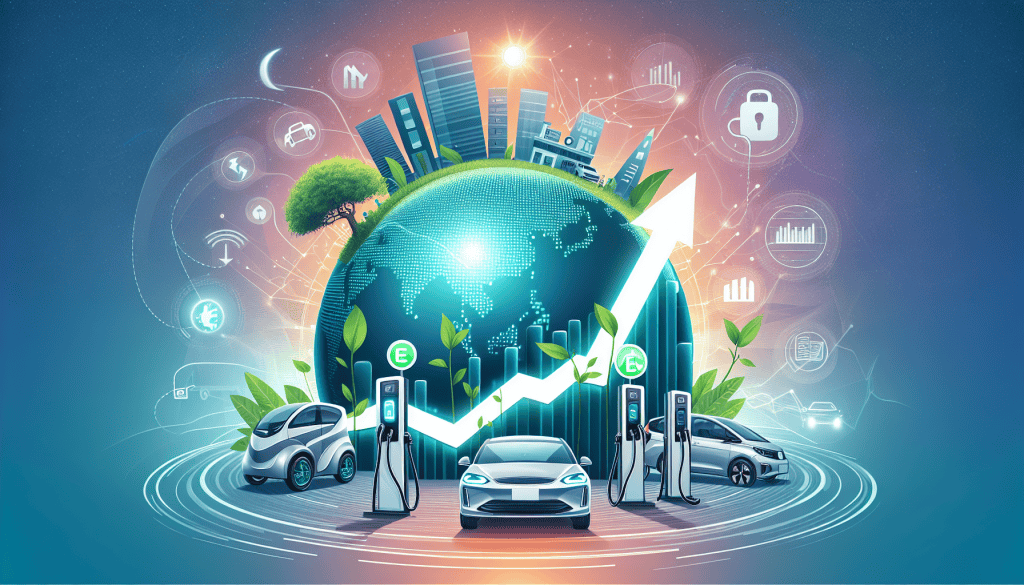
The automotive industry has reached a tipping point that’s sending shockwaves through global energy markets. Electric vehicles are no longer a niche product for early adopters—they’ve become a mainstream force driving unprecedented changes in how we generate, distribute, and consume power. This transformation extends far beyond car dealerships, fundamentally reshaping energy infrastructure and investment priorities across continents.
The EV adoption rate surge has accelerated beyond most expert predictions, creating ripple effects that touch everything from utility company strategies to international trade policies. As millions of drivers make the switch to electric, the implications for global energy systems become increasingly profound and far-reaching.
Grid Infrastructure Faces Unprecedented Demand Pressures
The rapid expansion of electric vehicle ownership has placed extraordinary demands on existing power grids worldwide. Utility companies are scrambling to upgrade transmission systems and distribution networks to handle the massive increase in electricity consumption. Peak demand periods have shifted dramatically, with residential charging creating new load patterns that challenge traditional grid management approaches.
Smart grid technologies have become essential investments rather than future possibilities. Energy companies are deploying advanced metering infrastructure, demand response programs, and time-of-use pricing models to manage the surge in power requirements. The EV adoption rate surge has accelerated these modernization efforts by years, forcing utilities to compress decade-long upgrade timelines into immediate action plans.
Regional variations in charging infrastructure development have created a patchwork of grid readiness levels. Urban areas with robust electrical systems are adapting more quickly, while rural regions struggle to balance EV charging demands with existing capacity constraints. This disparity has sparked new discussions about energy equity and infrastructure investment priorities.
Renewable Energy Demand Reaches New Heights
Electric vehicle proliferation has become one of the strongest drivers of renewable energy expansion globally. As consumers seek cleaner alternatives to gasoline, many are simultaneously demanding that their electricity comes from sustainable sources. This dual environmental consciousness has created a powerful market force pushing utilities toward wind, solar, and other renewable generation methods.
Solar panel installations have surged alongside EV purchases, with many households viewing the combination as an integrated clean energy system. Home charging stations powered by rooftop solar represent a growing segment that reduces grid dependency while maximizing environmental benefits. The synergy between electric vehicles and distributed renewable energy generation is reshaping residential power consumption patterns.
Corporate renewable energy procurement has intensified as businesses with electric fleets seek to maintain sustainability commitments. Large companies are signing unprecedented numbers of power purchase agreements with renewable energy developers, creating stable demand that supports new clean energy projects. This corporate-driven demand has accelerated renewable energy deployment timelines and improved project financing conditions.
Energy Storage Markets Experience Explosive Growth
The EV adoption rate surge has catalyzed massive investments in energy storage technologies and infrastructure. Battery manufacturing capacity has expanded rapidly to meet automotive demand, creating economies of scale that benefit stationary storage applications. This cross-pollination between transportation and grid storage sectors has accelerated innovation and cost reductions across both markets.
Vehicle-to-grid technology is emerging from experimental phases into commercial reality. Electric vehicles are increasingly viewed as mobile energy storage units that can provide valuable grid services during peak demand periods. This bidirectional energy flow capability transforms EVs from simple power consumers into active grid participants, creating new revenue opportunities for vehicle owners.
Utility-scale battery installations have multiplied as energy companies prepare for greater renewable energy integration and EV charging demands. These large storage systems help balance intermittent renewable generation while providing backup power during peak charging periods. The convergence of EV growth and renewable energy expansion has made energy storage a critical infrastructure priority rather than an optional enhancement.
Global Energy Trade Patterns Shift Dramatically
Traditional energy trade relationships are experiencing fundamental disruptions as electric vehicle adoption reduces petroleum demand while increasing electricity needs. Oil-exporting nations are diversifying their economies and investing heavily in renewable energy projects to maintain relevance in the evolving energy landscape. This strategic pivot reflects recognition that transportation electrification represents a permanent shift rather than a temporary trend.
Critical mineral supply chains have become new focal points for energy security discussions. Lithium, cobalt, nickel, and rare earth elements essential for EV batteries are reshaping international trade dynamics and diplomatic relationships. Countries with significant mineral reserves are leveraging these resources to establish positions in the electric vehicle value chain.
Cross-border electricity trade is expanding as nations with abundant renewable energy resources seek to export clean power to regions with high EV adoption rates. This trend is driving new international transmission projects and regional energy cooperation agreements that prioritize clean electricity sharing over fossil fuel trade.
The EV adoption rate surge represents more than a shift in transportation preferences—it’s a fundamental transformation of global energy systems that will define the next decade of infrastructure investment and policy development. As electric vehicles become increasingly mainstream, their influence on energy markets will only intensify, creating opportunities for innovation while challenging existing systems to adapt at unprecedented speed. The nations and companies that successfully navigate this transition will shape the future of global energy supply and consumption patterns.