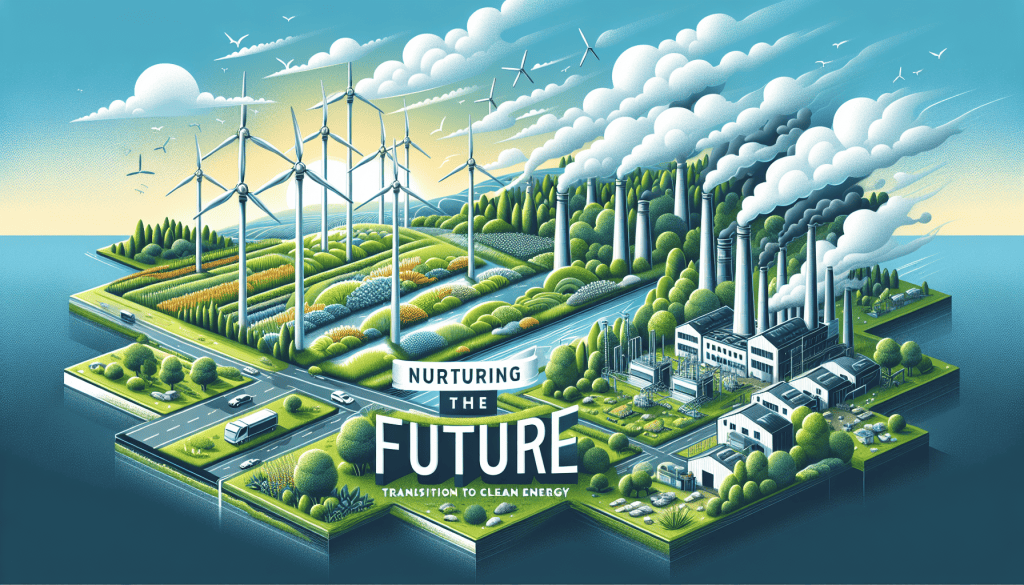
The global energy landscape is witnessing unprecedented capital flows that signal fundamental shifts in how markets value sustainability versus traditional energy infrastructure. Recent investment data reveals that institutional investors are increasingly viewing the clean energy transition not just as an environmental imperative, but as a critical economic opportunity that could reshape entire sectors within the next decade.
Investment patterns across solar, wind, and energy storage technologies have reached inflection points that suggest the clean energy transition is entering a new phase of maturation. Solar photovoltaic installations alone attracted over $380 billion in global investment last year, representing a 22% increase from previous periods. This surge reflects declining technology costs combined with favorable policy frameworks across major economies, creating conditions where renewable energy projects consistently outcompete fossil fuel alternatives on pure economic metrics.
Wind energy markets are experiencing similar momentum, particularly in offshore developments where technological advances have dramatically expanded viable project locations. European and Asian markets lead this expansion, with floating wind platforms enabling energy generation in previously inaccessible deep-water areas. These developments indicate that the clean energy transition is moving beyond land-based constraints that historically limited renewable energy capacity.
Energy storage represents perhaps the most critical component driving current market dynamics. Battery technology costs have declined by approximately 85% over the past decade, fundamentally altering the economics of renewable energy integration. Grid-scale storage projects are now economically viable without subsidies in many regions, enabling utilities to manage intermittency challenges that previously hindered large-scale renewable adoption.
Corporate procurement strategies reflect these changing market fundamentals, with Fortune 500 companies increasingly signing long-term renewable energy purchase agreements. These contracts provide predictable revenue streams for clean energy developers while offering corporations stable energy costs and sustainability credentials valued by stakeholders. The scale of corporate renewable energy procurement has grown to rival traditional utility purchasing, creating parallel market dynamics that accelerate the clean energy transition.
Geographic patterns reveal interesting regional variations in clean energy transition strategies. Asian markets emphasize manufacturing scale and supply chain integration, while European approaches focus on policy coordination and grid modernization. North American markets demonstrate strength in innovation financing and technology development, particularly in emerging areas like green hydrogen and carbon capture technologies.
Supply chain considerations are becoming increasingly important as the clean energy transition scales globally. Critical mineral requirements for batteries, solar panels, and wind turbines are creating new resource dependencies that markets are actively addressing through diversification strategies and recycling technologies. These supply chain dynamics will likely influence clean energy deployment patterns and regional competitive advantages in coming years.
Financial market infrastructure is adapting to support clean energy transition capital requirements. Green bonds, sustainability-linked loans, and specialized clean energy investment funds have created dedicated financing channels that reduce capital costs for renewable projects. Central banks and financial regulators are implementing climate risk assessments that further encourage capital allocation toward sustainable energy infrastructure.
Technology convergence trends are creating new investment opportunities as the clean energy transition intersects with digitalization, electrification, and automation. Smart grid technologies, electric vehicle charging infrastructure, and industrial process electrification represent growing market segments that extend beyond traditional renewable energy categories.
Market outlook indicators suggest the clean energy transition is approaching self-reinforcing growth patterns where economic advantages drive adoption independent of policy support. Learning curve effects, economies of scale, and infrastructure network benefits are creating competitive moats around clean energy technologies that traditional energy sources struggle to match on cost and performance metrics.
The convergence of technological maturity, favorable economics, and supportive policy frameworks indicates that the clean energy transition has moved beyond speculative investment into mainstream capital allocation. Investors who understand these market dynamics and position accordingly are likely to benefit from what appears to be one of the largest sectoral transformations in modern economic history.